
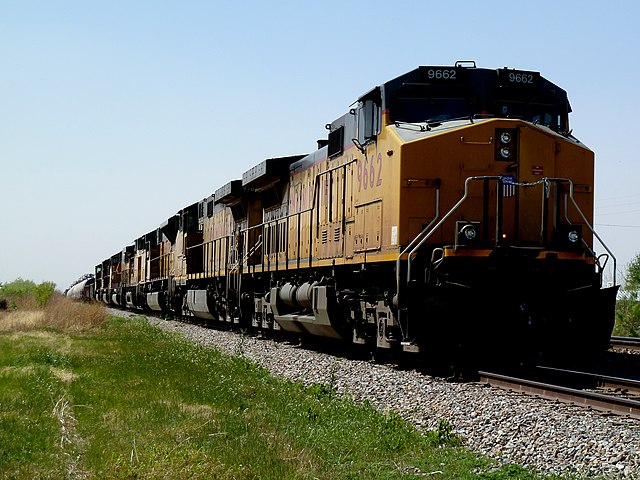
NASHVILLE, TN – A proposed merger between Union Pacific and Norfolk Southern is drawing scrutiny from agricultural groups concerned about transportation competition and costs. Farm shippers say consolidation in the rail industry could further limit options for moving grain, fertilizer, and other bulk commodities across rural America.
Freight rail remains a critical link in the agricultural supply chain, especially for producers located far from waterways or major processing centers. U.S. railroads move tens of millions of tons of corn, soybeans, and wheat each year from the Midwest and Northern Plains to domestic processors and export terminals. For many regions, rail service is not simply the lowest-cost option but often the only practical one.
Operationally, the proposed $85 billion merger would create the first coast-to-coast Class I railroad network in the United States. Supporters say a combined system could improve efficiency and reduce interchange delays, while critics argue the move would eliminate key gateways where shippers currently have limited options among carriers.
Regionally, rail competition is already limited for agricultural shippers. Industry data show that roughly 95 percent of grain elevators are served by a single railroad, leaving producers dependent on a single carrier for most shipments. In those settings, transportation demand is highly inelastic — meaning farmers cannot easily reduce shipments or switch transportation modes when rates increase.
Looking ahead, the Surface Transportation Board will review the proposal under its public-interest standard, with Union Pacific and Norfolk Southern expected to submit a revised merger application later this year, following regulators’ rejection of an earlier filing as incomplete.
Farm-Level Takeaway: Rail consolidation could tighten transportation options for farmers.