
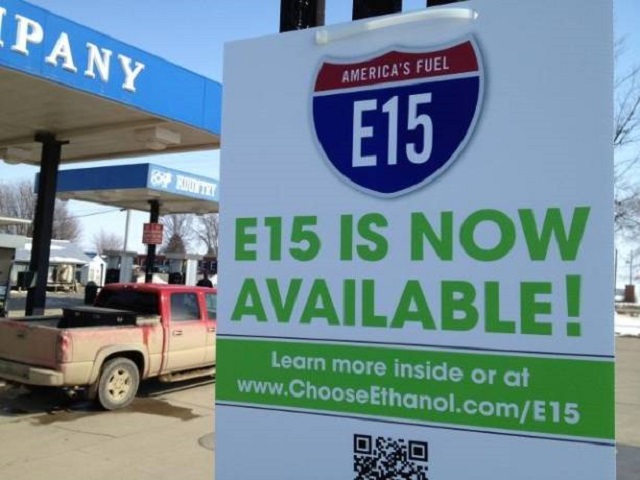
NASHVILLE, TN – Year-round E15 access could increase corn demand while pressuring soybean prices, creating uneven outcomes for crop producers. The Food and Agricultural Policy Research Institute at the University of Missouri modeled proposed provisions of H.R. 1346.
The institute assumes voluntary adoption of gasoline containing 15 percent ethanol lifts domestic ethanol use by 400 million gallons in 2026 and 1.1 billion gallons by 2030. Its model initially raises corn prices by 3 cents per bushel and by 5 cents by 2030/31.
Soybeans face the opposite signal. As corn ethanol meets more of the renewable fuel requirements, the model reduces biomass-based diesel use and soybean oil demand. Soybean prices initially fall by 20 cents per bushel and by 29 cents by 2030/31.
Proposed changes to small refinery exemptions could intensify pressure on soybeans by lowering required renewable fuel volumes beginning in 2028. In the larger modeled case, soybean prices fall as much as 44 cents below baseline.
FAPRI-MU cautions that year-round sales would permit E15, but do not guarantee consumer adoption. For producers, the proposal could strengthen corn demand while reducing biodiesel-linked soybean support and raising livestock feed costs.
Farm-Level Takeaway: Year-round E15 could support corn demand, but soybean and livestock producers may face added market pressure.