
LUBBOCK, TX – A temporary increase in tariff-free beef imports could add short-term supplies to the U.S. market while making long-term herd rebuilding more difficult. The 300,000-metric-ton allowance equals roughly 661 million pounds and is scheduled across a 90-day period.
If all of that volume were additional imports arriving during the fourth quarter, economists estimate beef imports could rise about 51% above current expectations and total domestic beef supplies by about 8%.
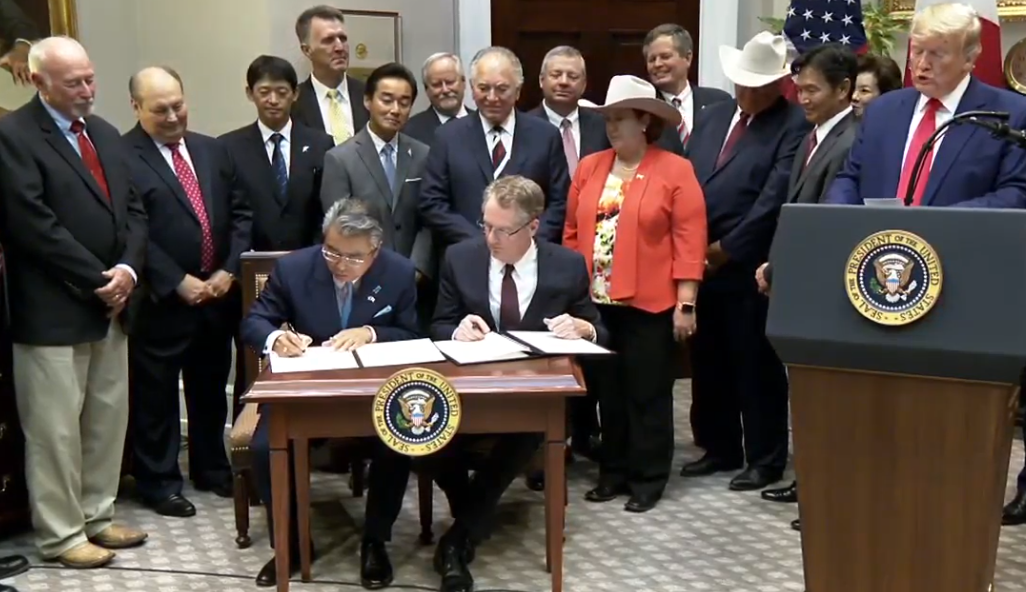
President Trump announced last week that the U.S. would temporarily allow beef to enter at reduced tariffs as part of an effort to bring down high consumer beef prices. The administration argues that the additional supply could provide near-term relief at the grocery store, while cattle groups and economists question whether it will materially lower retail prices and warn that it could instead pressure domestic cattle values.
The actual increase will likely be smaller because some expected imports could simply enter under the expanded tariff-rate quota. Most imported beef is also lean trimming used in ground beef, making cull-cow and lean-beef values more directly exposed.
For cow-calf producers, the bigger concern is rebuilding. Retaining heifers requires capital, time, and confidence in future cattle values. Additional price uncertainty could encourage producers to delay expansion.
Economists James Mitchell (Arkansas), Josh Maples (Mississippi State), Kenny Burdine (Kentucky) and David Anderson (Texas A&M) say the policy could slow herd rebuilding even if it temporarily increases beef supplies.
Farm-Level Takeaway: Short-term beef imports could pressure cow-calf returns and weaken the incentive to rebuild domestic cattle supplies.