
KELLOGG, ID – Rising technology demand, national-security concerns and a federal push to rebuild domestic mineral production are bringing new investment into U.S. mining, including long-idled operations once considered uneconomic to reopen.
A review of company and government announcements identifies at least eight notable U.S. mines since 2024 that have either restarted, entered active restart construction or announced formal reopening plans. They include Bunker Hill and Sunshine in Idaho, Thompson Creek in Idaho, Copper One and Tony M in Utah, Jerritt Canyon and Pumpkin Hollow in Nevada, and San Manuel in Arizona.
The resurgence is being driven by demand for copper, silver, uranium, antimony and other minerals used in data centers, power infrastructure, electronics and defense. Federal policy is also emphasizing reduced dependence on vulnerable foreign supply chains.
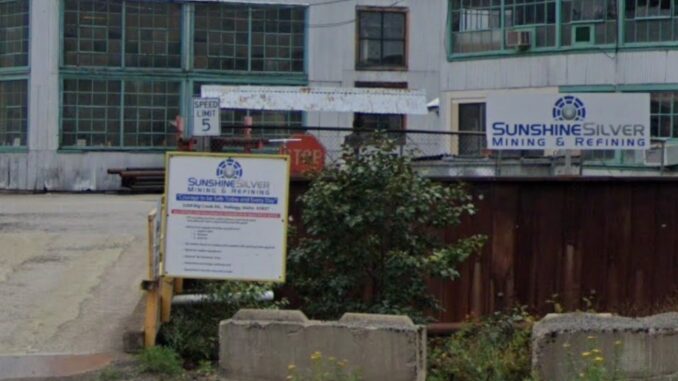
Sunshine illustrates the shift. The company has invested more than $200 million and plans a 2028 restart, while nearby Bunker Hill produced its first concentrate in June 2026 after decades without production.
USGS now lists silver, copper and uranium among 60 critical minerals, underscoring how mining has moved beyond commodity prices into a broader industrial, technology and national-security strategy.
Farm-Level Takeaway: Renewed mining investment could create rural jobs and infrastructure spending while increasing competition for skilled labor, energy and transportation across western agricultural communities.