
LUBBOCK, TX – International negotiations on the UN Global Plastics Treaty continue in Geneva, with textile microplastic pollution now a key issue on the agenda. Synthetic fibers like polyester, nylon, and acrylic are under scrutiny for their role in shedding microplastics during washing, which contributes significantly to marine pollution. These microfibers make up an estimated 35% of ocean microplastics, according to multiple studies.
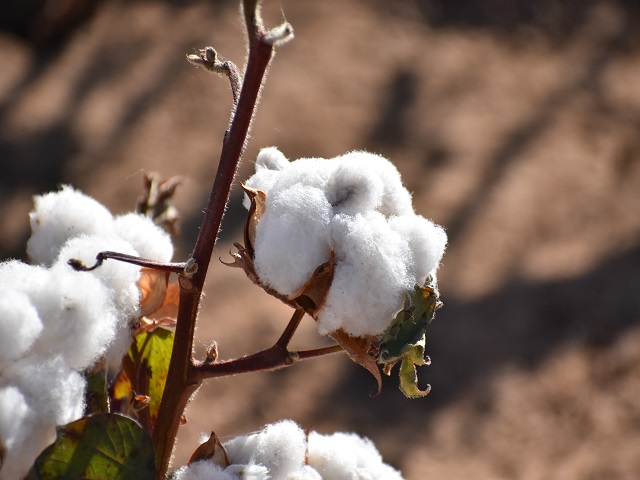
In contrast, cotton presents a natural advantage. As a biodegradable fiber, cotton breaks down more quickly in aquatic environments and sheds significantly fewer microfibers compared to synthetic alternatives. Cotton Incorporated reports that cotton fibers biodegrade up to 90% in 40 days and shed 3 to 21 times less plastic than synthetics.
With the treaty expected to address fiber labeling, design, and disposal standards, cotton is well-positioned as a sustainable option in the global textile supply chain. New environmental regulations could offer long-term benefits to cotton producers and apparel brands focused on natural fibers.