
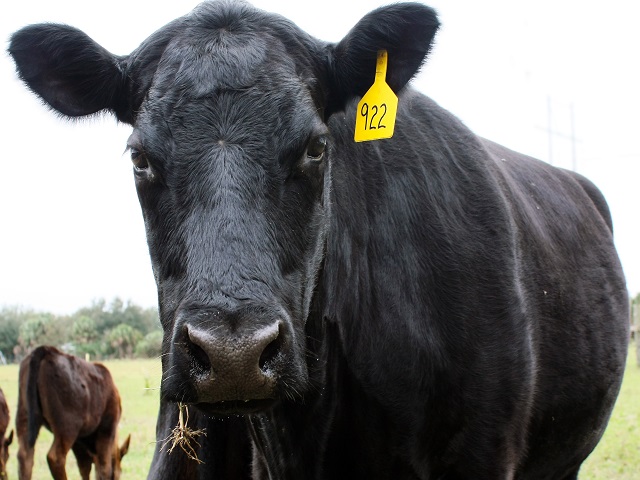
LUBBOCK, TX – U.S. beef production trends in early 2026 show tighter cattle supplies being partially offset by historically heavy carcass weights, a shift carrying important implications for beef markets and producer marketing decisions, according to economists Josh Maples of Mississippi State University and David Anderson of Texas A&M AgriLife Extension.
Steer dressed weights averaged 984 pounds during the second week of February, implying an average live weight near 1,575 pounds, assuming a 62.5 percent dressing percentage. That level exceeds both last year and recent historical averages, continuing a long-term trend toward heavier cattle entering harvest channels.
At the same time, federally inspected cattle slaughter remains sharply lower. Total slaughter during the first two months of 2026 fell 7.3 percent from a year earlier, including declines of 8.6 percent in steers, 6.9 percent in heifers, and 17 percent in beef cows, while dairy cow slaughter increased modestly. Despite fewer animals processed, overall beef production is down only 5.5 percent because added weight is compensating for reduced headcounts.
Operationally, strong fed cattle prices and manageable cost-of-gain conditions are encouraging feedlots to keep cattle on feed longer rather than market lighter animals. The packers continue to need supplies, but have not accelerated the harvest pace enough to reduce weights seasonally.
Looking ahead, analysts say the key market signal will be whether weights eventually decline in line with normal seasonal patterns or remain elevated amid tight inventories.
Farm-Level Takeaway: Heavy cattle weights are cushioning beef supplies despite shrinking herd numbers.