
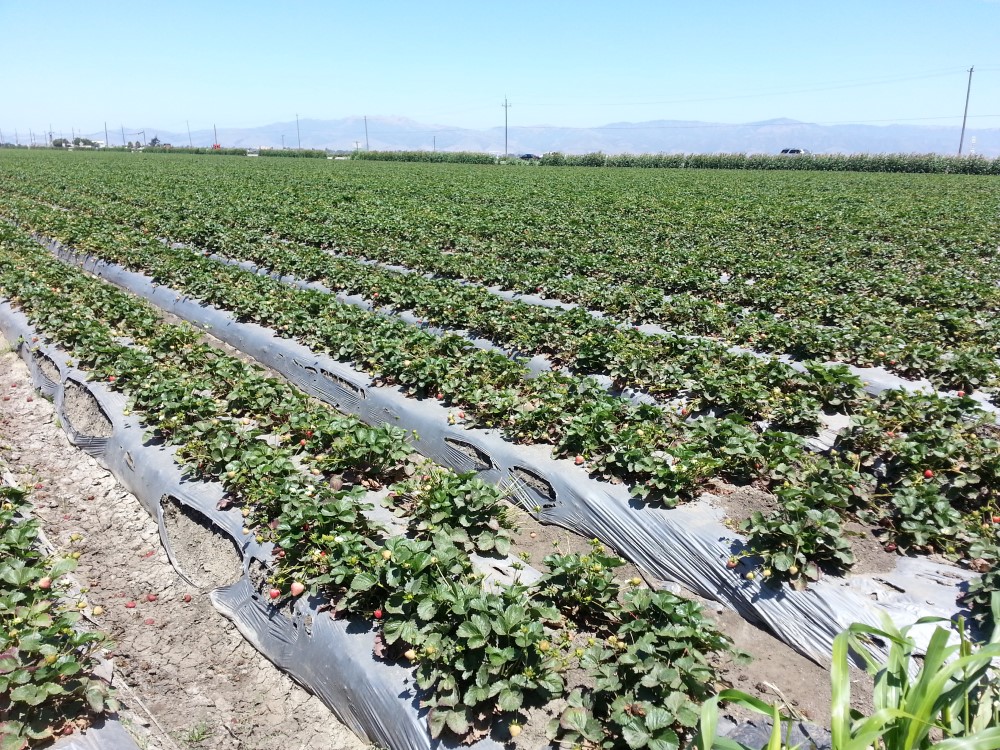
NASHVILLE, TN – Hired farm labor continues to play a vital role in U.S. agriculture, despite long-term declines in both workers and farms employing them. According to USDA’s Economic Research Service, mechanization reduced the demand for labor between 1950 and 1990, but since then the number of hired farm workers has stabilized. Data from the 2022 Census of Agriculture shows steady decreases across the South, with Kentucky experiencing the largest drop in hired labor at more than 23 percent, followed by Oklahoma at 18 percent. Florida and Georgia recorded the smallest declines.
Hired labor remains one of the top three production expenses, particularly in greenhouse, nursery, and fruit operations where labor costs can exceed 40 percent of total expenses. Hourly wage rates in 2024 ranged from $15.25 in Arkansas, Louisiana, and Mississippi to $19.15 in Maryland. Labor costs are also elevated in dairy and nursery sectors that depend heavily on immigrant workers. Emerging trends include fewer seasonal migrations, more settled workforce, and a growing number of women among hired farm workers. According to Jamey Menard Research Leader at the University of Tennessee, these shifts will continue shaping how farms manage labor, expenses, and productivity in the coming years.