

Farmers Optimistic About Future But Concerned With China
The Purdue University/CME Group Ag Economy Barometer rose 12 points in March to a reading of 177, marking the highest reading for the barometer since October 2020.
The Purdue University/CME Group Ag Economy Barometer rose 12 points in March to a reading of 177, marking the highest reading for the barometer since October 2020.
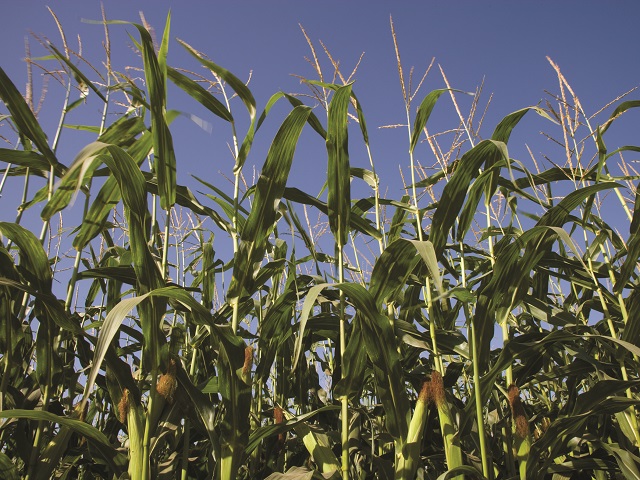
With a total 20 percent year-over-year gain ($1.6 billion), China imported $1.2 billion alone to become the third-largest customer for U.S. farmers.

Ag exports rebounded in 2020 with a 7 percent ($9 billion) increase from the previous year, according to data just released by the Foreign Agriculture Service.

Total U.S. agricultural exports in 2020 were nearly $146 billion, up almost 7 percent from 2019, and the second highest level on record after Calendar Year 2014.
According to the Foreign Agricultural Service, Vietnam’s success in controlling COVID-19 has allowed textile and garment companies to maintain their operations, despite short-term disruptions.

USDA’s Weekly Export Sales Report for the week ending March 25, 2021, produced a surprisingly large week of sales for pork thanks to China.
As the Phase One Trade Agreement between the United States and China concludes its first year, the Peterson Institute for International Economics says China’s purchases of all covered products are below the year-to-date target.
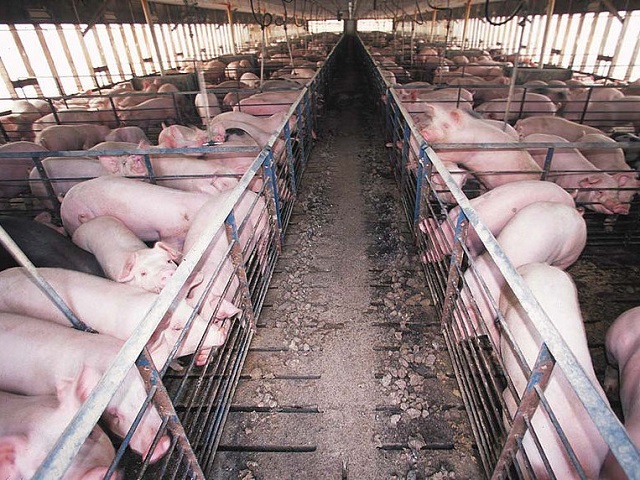
U.S. pork producers have been enjoying the increase in demand for pork over the past two years as China has been dealing with a loss of their domestic swine industry.

Expanded soybean exports, led in part by increased Chinese buying under the United States-China Phase One trade deal, are tightening the availability of U.S. soybeans the current marketing year which ends in August.
Not quite as planned: that might be the American’s response to the first face-to-face meeting between the United States and China.
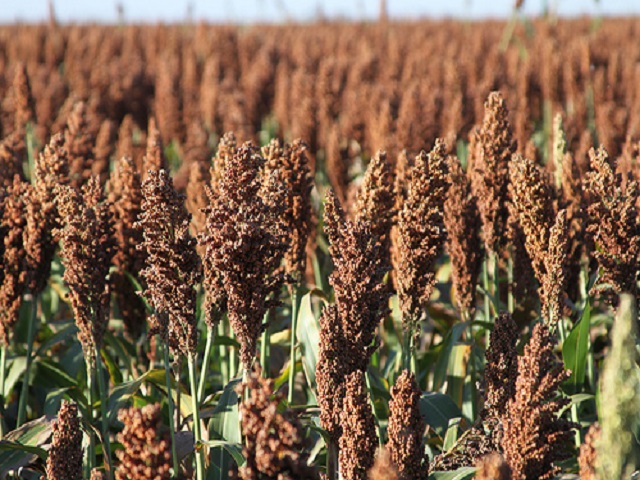
Huge demand from China is driving prices for sorghum in the U.S. higher while lower input costs and exceptional drought tolerance are increasing grower demand.
January pork exports, in volume, slipped 9 percent in January compared to one year ago and export values fell 13 percent according to the latest data from USDA.
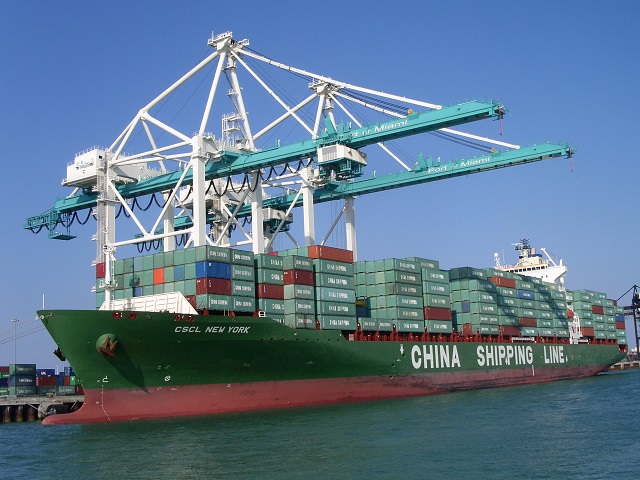
As the U.S. economy begins to thaw from a frigid year-long global shutdown due to COVID-19, one sign of optimism is pointing to another sign of frustration.

In today’s current news cycle, some stories and issues fall off the radar without any follow-up. One of those might have been the issue of American’s unsolicited receiving seeds in the mail from China.
The Phase One trade agreement between the United States and China has U.S. farmers reaping rewards sown through a two-year trade war with the communist country.
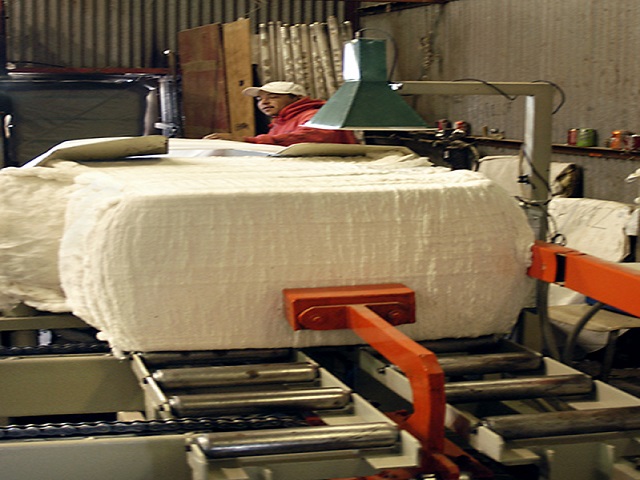
As a result of large carryover sales from the 2019 crop year and increased purchases from China, U.S. export commitments and shipments of cotton have been very strong for the 2020 crop year.
Sorghum export sales were strong again last week with China committing to purchase 4.3 million bushels of old crop sorghum and taking delivery of another 2.2 million bushels from the United States.
According to the Peterson Institute for International Economics, China’s total imports of covered products from the United States were $100 billion, compared with the target of $173 billion.

According to the latest international trade figures from Australia’s Bureau of Statistics, the nation enjoyed a growing trade surplus – $9 billion in December, up $1.6 billion from a month earlier.
Last week, the U.S. government announced it would seize all cotton products and tomato products produced in China’s Xinjiang Uyghur Autonomous Region.
Global beef production for 2021 is fractionally lower at 61.2 million tons primarily due to declines in China and the United States.
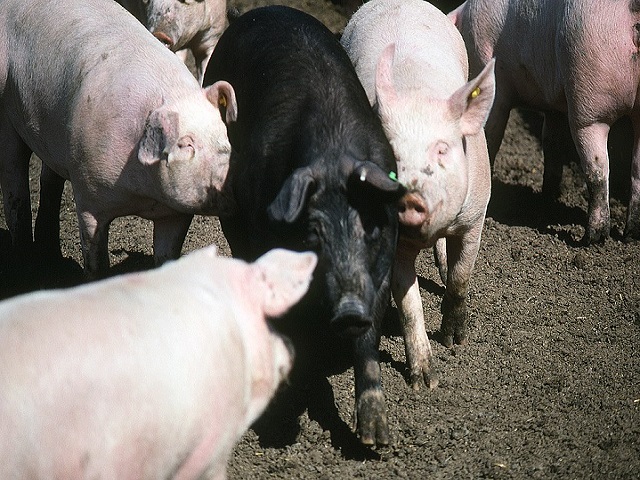
Driven by higher estimates for pork, total meat import forecasts for China in both 2020 and 2021 have been revised higher.

As the United States is working to fill administration positions in anticipation of a Presidential transition in January, Brazil has been on the phone with China working on a massive free trade agreement.
USDA released their latest Weekly Export Sales Report on Thursday morning, providing the markets a better idea of current trade trends. China continues to be a major buyer of wheat, corn, sorghum, soybeans, cotton and pork.
As the President-elect Joe Biden begins the process of setting up a cabinet, there are questions in agriculture relating to ongoing trade and tensions with China and how this could affect farmers and ranchers in the United States.
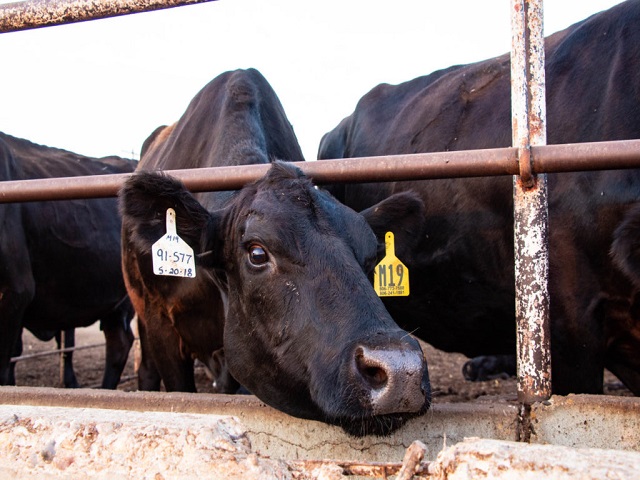
U.S. beef muscle cut exports were higher in October, though lower variety meat volumes pushed total beef exports slightly below last year.
As a new administration prepares to hit the ground running in around 40 days, there are many questions regarding future U.S. relations with China.
U.S. pork exports to China have skyrocketed this year as African Swine Fever (ASF) eroded two-thirds of China’s hog herd and drove its hog prices to record highs.
Beef exports were fairly steady with last year in major Asian markets but trended lower overall according to recent data released by USDA.
Chinese demand for U.S. pork is leading to a record pace for exports, according to data released recently by USDA.
The United States notified the World Trade Organization’s Dispute Settlement Body Monday of its decision to appeal the panel report in a case brought by China regarding tariffs.
Eight months after signing the Phase One Trade agreement, the United States and China are celebrating the first-ever commercial shipment of U.S. grown rice to China.
The top destination this marketing year for U.S. cotton is China, according to a recent CoBank quarterly report.

After signing the Phase One Trade Agreement on January 15, 2020, optimism was high that the Chinese would purchase record amounts of U.S. commodities from farmers and ranchers.
Eight months after reaching a Phase I trade agreement with China, the United States is already seeing good results from the pact.
For the first time in many months, members of the World Trade Organization’s Dispute Settlement Body were able to meet in person this week, and the United States seemed to be at the center of many conversations.
The World Trade Organization handed China a victory on Tuesday, ruling that trade sanctions imposed by U.S. President Donald Trump were not justified and therefore a violation of world trade rules.
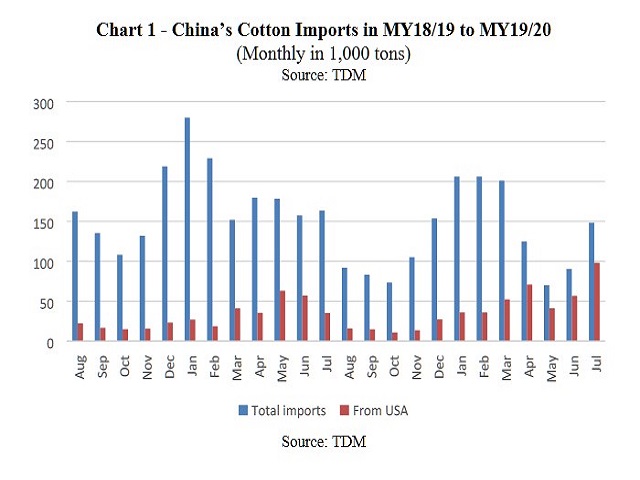
Slowly over the last two years, the U.S. cotton industry has increased it share of exports to China.
Following another big week of commodity purchases from China, a recurring question by U.S. farmers and farm groups is whether these exports will, in fact, add up to their commitments.
The U.S. and China are seeing progress in the implementation of the Phase 1 trade agreement. During a six-month review this week, senior officials from both countries reaffirmed commitments to ensuring the agreement’s success.
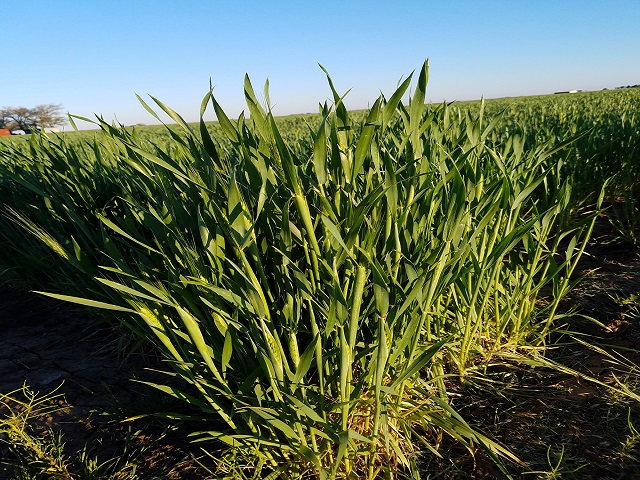
Wheat sales last week were impressive, increasing 46 percent over the previous week and 41 percent above the 4-week average, with Mexico and China topping all buyers.
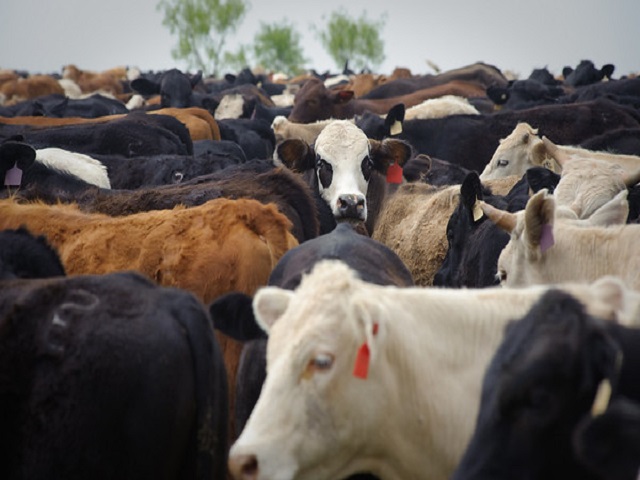
China’s foodservice sector is rebounding from COVID-19 restrictions imposed earlier this year
China’s announcement of tariff exclusions following the Phase One agreement had an immediate impact on U.S. sorghum exports.
WASHINGTON, DC – Unsuspecting and unsolicited packages have been arriving nationwide from China, in many […]
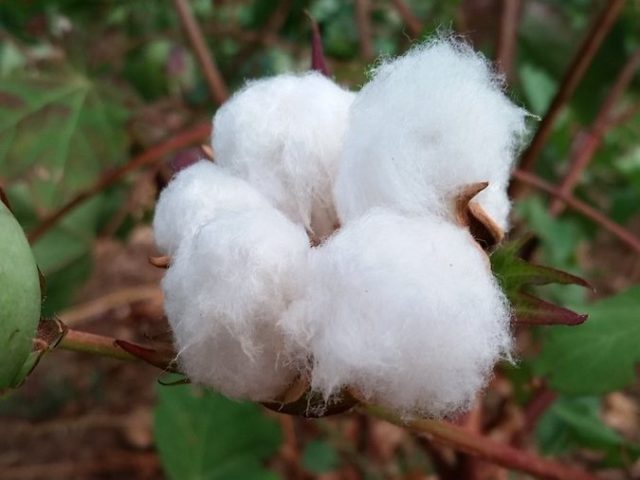
China took the headlines in cotton as the standout overseas buyer for the quarter, helping lift cotton prices from the multi-year lows dredged in March and early April.
U.S. agricultural exports to China are projected to total $13 billion this fiscal year, an increase of almost $3 billion from 2019.
China is asking meat and soybean exporters to certify that their shipments to China have complied with safety standards to ensure they are free of COVID-19.

(WASHINGTON, DC) China’s addition of 800,000 metric tons (MT) of cotton import quotas this year […]
Copyright © 2026 | WordPress Theme by TodayTrader