

AGRIBUSINESS REPORT PODCAST – Dr. Mark Welch
Today’s guest is Dr. Mark Welch. He is the Texas A&M AgriLife Extension Grain Marketing […]
Today’s guest is Dr. Mark Welch. He is the Texas A&M AgriLife Extension Grain Marketing […]

Today’s guest is Brent Boydson with Ag Center Solutions in O’Fallon, MO, talking about agriculture […]

Today’s guest is Rich Nelson, Chief Strategist with Allendale in McHenry, IL. He talks about […]

Today’s guest is Alexander Grabois with the U.S. Grains Council (USGC) who talks about why […]

Today’s guest is David Gibson with the Texas Corn Producers Association (TCPA) in Lubbock, TX… […]

Today’s guest, Alexander Grabois, is with the U.S. Grains Council in Washington, DC. He talks […]

BEIJING, CHINA – Chinese grain production is expected to hit a new high this season, […]

Today’s guest is Bob Maurer with Manduca Trading in Chicago, IL. We talk about the […]

MEXICO CITY, MEXICO – Two weeks ago, the Mexican government lifted a deadline for banning […]

Today’s guest is Andy LaVigne, President and CEO of the American Seed Trade Association (ASTA) […]

Today’s episode looks at corn projections, farm bills, soybean projections, and the history of agriculture. […]
WASHINGTON, DC – Weaker export demand appears to be pressuring commodity prices as USDA projects […]

AGRIBUSINESS REPORT PODCAST – Guest: David Widmar is co-founder of Agricultural Economic Insights (www.AEI.ag), and […]

AGRIBUSINESS REPORT PODCAST – Guest: Donna Hughes is Senior Risk Management Consultant with Stone X […]
AGRIBUSINESS REPORT PODCAST – Guest: David Gibson is with the Texas Corn Producers and talks […]
AGRIBUSINESS REPORT PODCAST – Guest: Bob Maurer is with Manduca Trading in Chicago, IL and […]
AGRIBUSINESS REPORT PODCAST – Guest: Bob Maurer is with Manduca Trading in Chicago, IL, and […]

AGRIBUSINESS REPORT PODCAST – Guest: Greg McBride is a broker with Allendale and talks about […]
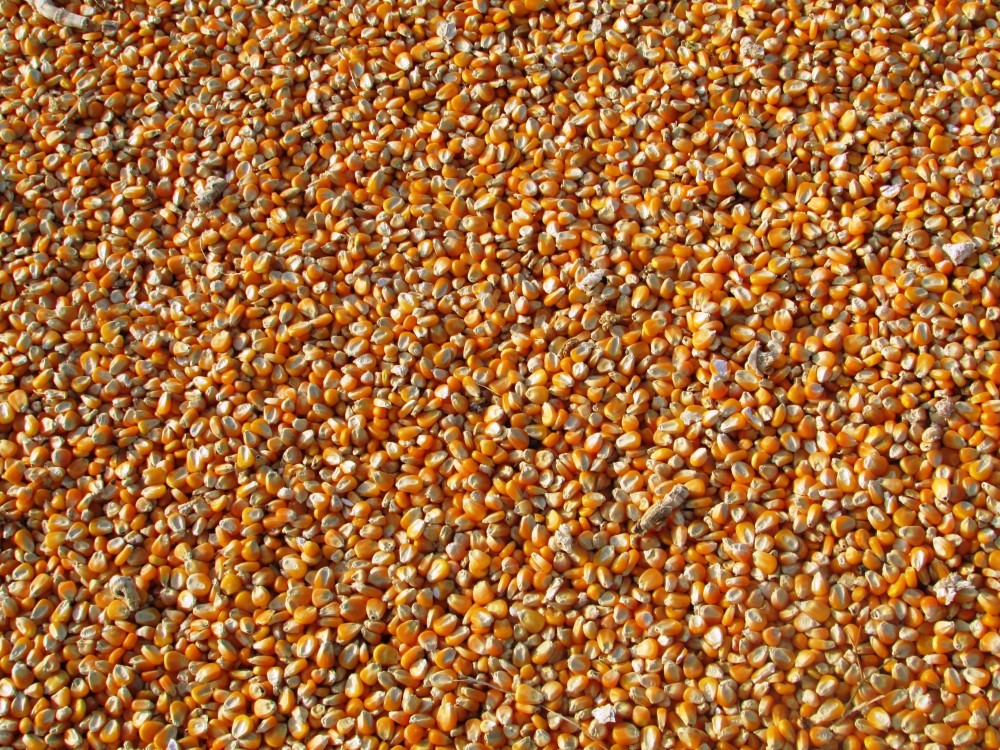
WASHINGTON, DC – In reaction to the uncertainty in Eastern Europe, China booked its largest […]
AGRIBUSINESS REPORT PODCAST – Guest: Dr. Mark Welch is a Texas A&M AgriLife Extension Grain […]

AGRIBUSINESS REPORT PODCAST – Guest: Ryan LeGrand is the CEO of the U.S. Grains Council […]

NEW ORLEANS, LA – Commodity Classic returns to an in-person event this year and kicks […]

NEW ORLEANS, LA – Final preparations are being made for the 2022 Commodity Classic, a […]
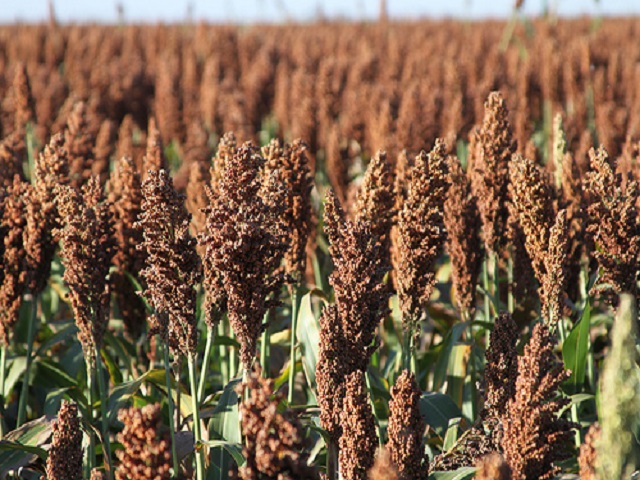
Corn sales hit a new marketing year high last week, while sorghum exports set a new high for 2021 according to the Foreign Agriculture Service, based on USDA’s Weekly Export Sales Report
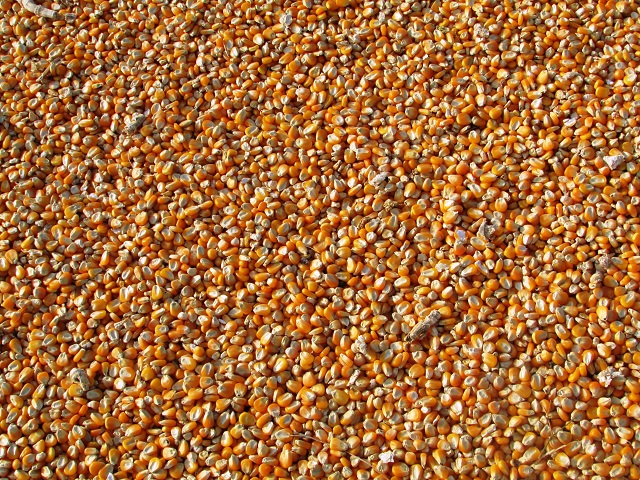
USDA released their latest crop production forecast on Tuesday. Their November report projected year-over-year increases for corn, soybeans, and cotton in the United States based on conditions as of November 1, 2021.
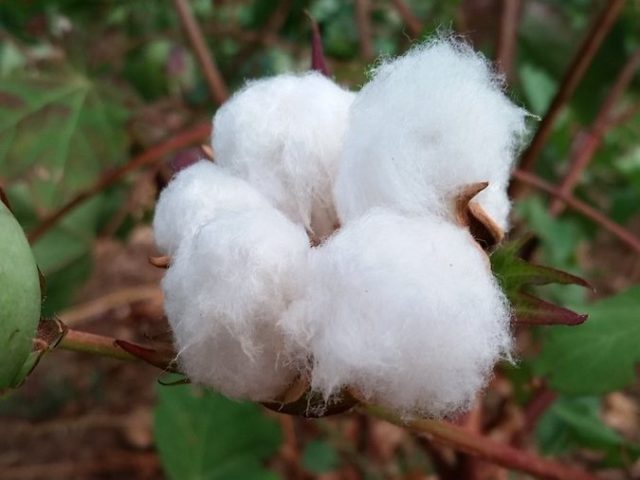
USDA released their latest Weekly Export Sales report for the week ending October 14, 2021. Exports for the week were generally lower except for corn, soybeans, cotton, and meats.
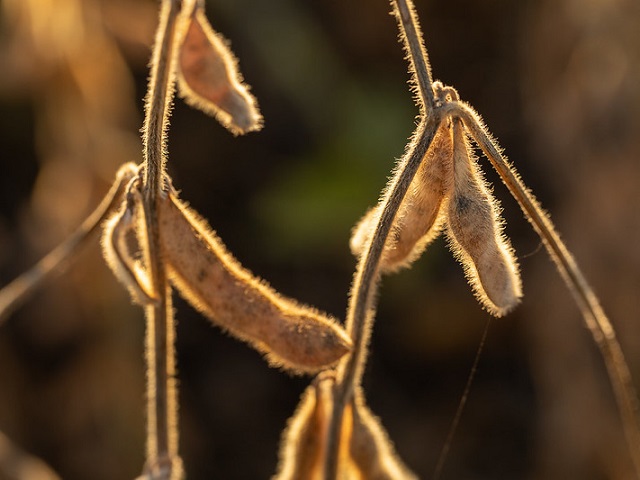
USDA’s National Agricultural Statistics Service released their October Crop Production Report on Tuesday, based on conditions as of October 1, 2021. Researchers believe the harvest for corn and soybeans will be greater than last year’s production, while the final U.S. cotton crop is expected to be smaller.
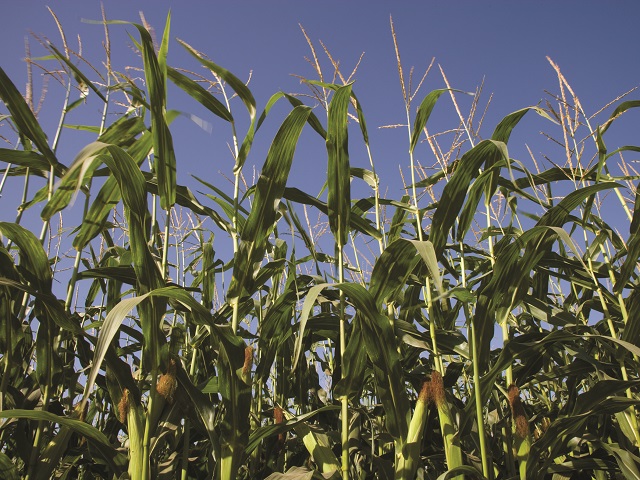
Corn farmers who “split apply” nitrogen will soon have another option for insurance coverage.
One of the largest customers for U.S. corn is the livestock feeding industry, accounting for 40 percent of all purchases while the industry gobbles up more than 60 percent of domestic soybean production.

Agricultural economists at the University of Illinois are trying to determine the potential for lower harvest time prices on corn and soybean futures contracts.
In just 90 days, July 2021 corn futures increased almost $2 per bushel bringing relief to row-crop producers struggling from low prices, but providing a new challenge for livestock feeders facing lower beef prices.

For corn producers who contacted their fertilizer needs in 2020, they’ll more than likely have costs comparable to the past few years.
With a total 20 percent year-over-year gain ($1.6 billion), China imported $1.2 billion alone to become the third-largest customer for U.S. farmers.
In 2016, corn and soybean producers accounted for about 93 percent of future and options contracts used by U.S. farmers and 60 percent of all production covered by marketing contracts.
Exports for last week eclipsed marketing year highs for corn and sorghum while sales increased for all major commodities except soybeans.
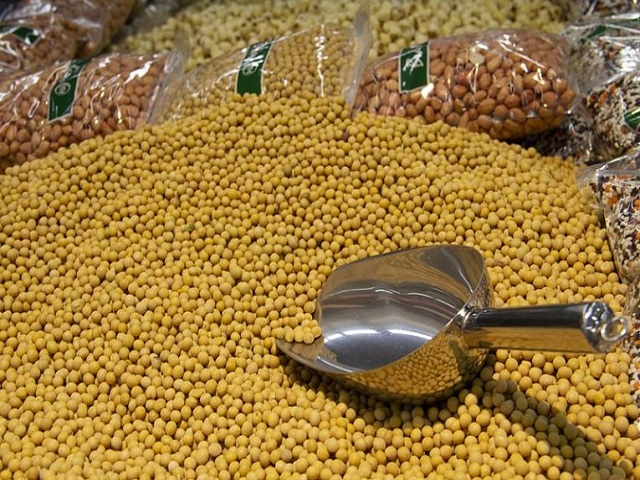
Record large soybean acreage is expected in the United States this year if grower intentions materialize according to Allendale.
The Foreign Agricultural Service release their latest look at U.S. commodity exports on Thursday, for the week ending February 18.

Futures prices — the price of a contract to deliver a commodity at a certain time in the future – for wheat, corn, and soybeans have been trending higher since August 2020.

USDA released their latest Weekly Export Sales Report on Friday, a day later than normal due to the Martin Luther King, Jr. Holiday on Monday.

Last week was an active one for export sellers as all major commodities, except wheat, experienced an uptick from foreign buyers.
USDA end of year stocks estimate for all major crops is fairly easy to report: all are lower than in 2019. Specifically, corn stocks are slightly lower while wheat stocks are down 9 percent, soybeans are off 10 percent and sorghum stocks are down 12 percent as of December 1.
The longest-running farm program in West Texas, the AgriBusiness Report is our daily interview program with decision-makers in the world of Agriculture.

USDA released their latest Weekly Export Sales Report on Thursday morning with corn exports reaching a marketing-year high and soybean sales hitting a marketing-year low.
USDA released their latest Weekly Export Sales report on Friday reveling a big week for U.S. wheat, corn and cotton exports.
USDA released their monthly Crop Report on Tuesday, providing a late-season glance at the projected size of the corn, cotton and soybean crops.
Corn and soybean production in the United States is expected to increase according to the latest Crop Production report issued Friday by the National Agricultural Statistics Service.
The U.S. Foreign Agricultural Service has raised its corn production estimate for Brazil based upon a large increase in acreage, as well as good yields for the second crop in the CenterWest state of Mato Grosso.
Corn and soybean production is up from 2019, according to the Crop Production report issued Friday by USDA’s National Agricultural Statistics Service.

Producers of the top five field crops in the United States have struggled to cover total costs of production over the past decade.

The European Union has eliminated import duties on certain U. S. products just four months after re-introducing those duties.
Copyright © 2026 | WordPress Theme by TodayTrader