

FAPRI Outlook Shows Crops Struggling While Cattle Strengthen
COLUMBIA, MO – U.S. agriculture remains divided between pressured crop margins and historically strong cattle […]
COLUMBIA, MO – U.S. agriculture remains divided between pressured crop margins and historically strong cattle […]

LUBBOCK, TX – The U.S. farm economy remains in a weak and uneven period, with […]
WASHINGTON, DC – U.S. farm profits are forecast to decline in 2026 even as federal […]
WEST LAFAYETTE, IN – U.S. farmer sentiment improved for a second straight month in August, […]

JACKSON HOLE, WY – Federal Reserve Chair Kevin Warsh says agriculture is among the sectors […]

LUBBOCK, TX – Trade-policy uncertainty can create costs across agriculture before a tariff is ever […]

KANSAS CITY, MO – The U.S. farm economy remains divided in 2026, with crop producers […]

LUBBOCK, TX – Agribusiness earnings are showing a divided farm economy, with machinery demand still […]
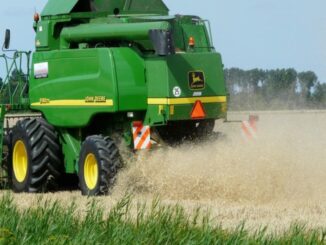
MOLINE, IL – Deere & Company says 2026 could mark the bottom of the current […]

MILWAUKEE, WI – U.S. farm equipment sales remained under pressure in July as producers continued […]

WASHINGTON, DC – U.S. farmland values continued rising in 2026 even as weaker crop margins, […]

NASHVILLE, TN – Farm losses could deepen again in 2027, increasing pressure for additional federal […]
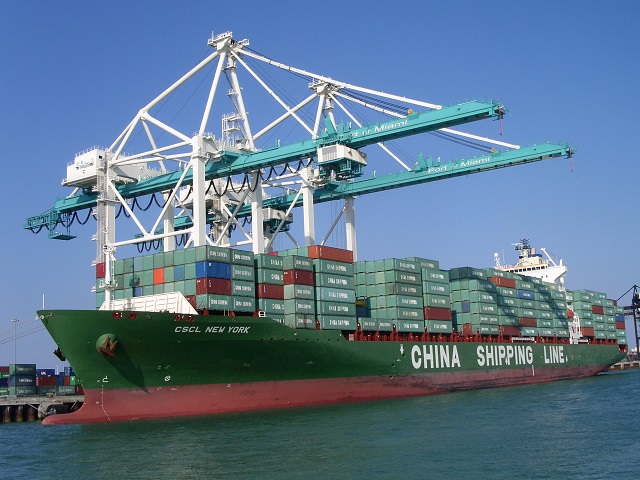
KNOXVILLE, TN – A smaller U.S. agricultural trade deficit may look like progress, but one […]
LUBBOCK, TX – The current farm downturn is serious, but economists say it is not […]

LUBBOCK, TX – Crop producers are facing a farm downturn driven less by collapsing prices […]
WASHINGTON, DC – Farmers are facing a third straight year of declining economic conditions as […]
LUBBOCK, TX – USDA has already sent nearly $9.6 billion in Farmer Bridge Assistance payments […]

NASHVILLE, TN – Watch for industries restricting innovation, blocking competitors, or influencing regulations — those […]

NASHVILLE, TN – The Federal Reserve’s April Beige Book shows a mixed and increasingly cautious […]

LUBBOCK, TX – Federal Reserve Governor Michael Barr says stronger investment in rural communities will […]
NASHVILLE, TN – New analysis from the Minneapolis Federal Reserve suggests tariffs are not the […]
NASHVILLE, TN – Rising fertilizer and fuel costs are tightening margins for U.S. farmers during […]
LUBBOCK, TX – U.S. farmers are increasingly concerned about long-term profitability and global competitiveness, as […]

NASHVILLE, TN – Rising energy and fertilizer costs tied to the Iran conflict are rapidly […]
LUBBOCK, TX – Parts of rural America tied to row-crop agriculture are showing recession-like conditions, […]

NASHVILLE, TN – Uncertainty surrounding federal biofuel policy is shaping the expansion of renewable diesel […]
NASHVILLE, TN – Surging energy markets are quickly becoming a cost story for U.S. agriculture […]
WASHINGTON, DC – The House Agriculture Committee advanced a bipartisan five-year farm bill early Thursday […]
KANSAS CITY, MO – U.S. farm income conditions remained uneven through 2025 as strong livestock […]

KANSAS CITY, MO – U.S. farm income conditions remained uneven through 2025 as strong livestock […]

NASHVILLE, TN – Producers entering 2026 still face tight margins despite improved headline farm income, […]

WASHINGTON, DC – U.S. catfish producers posted slightly higher sales in 2025 even as production […]
WASHINGTON, DC – Farm financial stress continued to deepen in 2025 as Chapter 12 farm […]

WASHINGTON, DC – The Trump Administration is expanding export financing tools to strengthen overseas demand […]

WEST LAFAYETTE, IN – Farmer confidence weakened sharply at the start of 2026 as economic […]

KANSAS CITY, MO – U.S. agriculture entered 2026 with mixed financial signals, as strong livestock […]
Today’s guest is Wesley Davis. He is the Chief Economist for Meridian Agribusiness Advisors in New […]

Today’s guest is Dr. Darren Hudson, Director of the International Center for Agricultural Competitiveness at […]
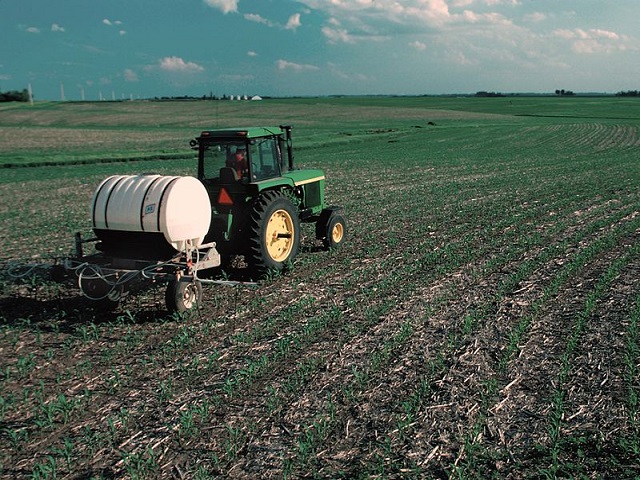
LAKELAND, FL – Despite rising interest rates and input costs, the 2022 farm economy is […]

Volatilty in commodity markets combined with historic increases in crop input prices are leading farmers and ranchers down a road of growing pessimism.
Farmers and ranchers appear to be slightly more optimistic about the agricultural economy, according to the latest results from the August Purdue University/CME Group Ag Economy Barometer.
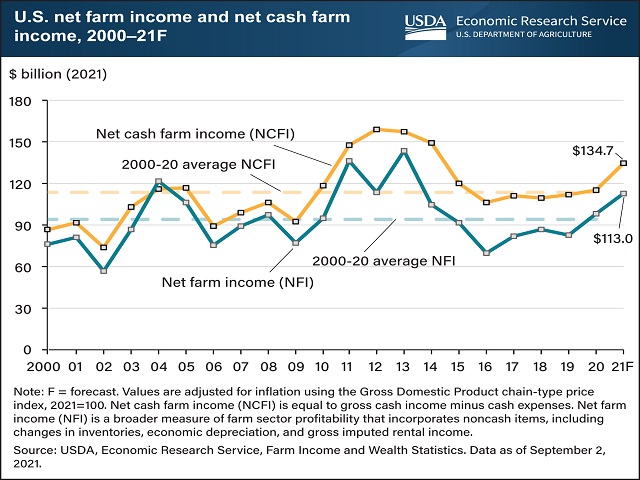
USDA’s Economic Research Service forecasts inflation-adjusted net cash farm income to increase by 17.2 percent from last year.
According to the data from the U.S. Courts, there were 24 percent fewer filings over the past year with the total number of 438 representing the lowest number since 2015.
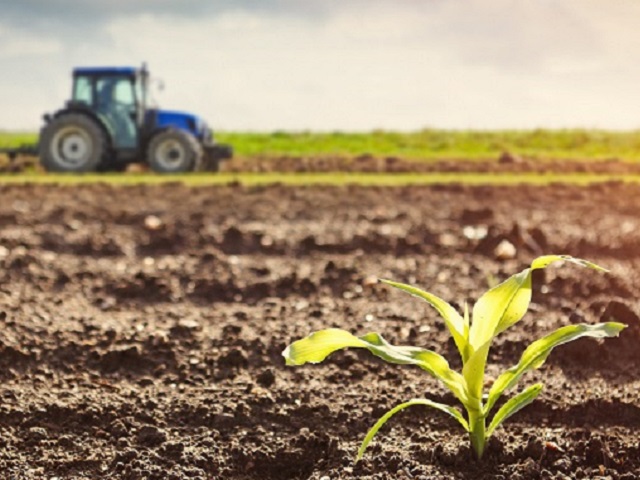
Alongside a sharp turnaround in agricultural economic conditions and lasting support from government programs related to pandemic relief, both farm income and loan repayment rates increased from a year ago.
According to AgAmerica Lending,the average farm size in 2019 was one acre larger than the same farm in 2018. USDA statistics show that increase in farm size comes at the expense of a decline in total number of operations.

From a sunny citrus grove in Florida to a colorful Washington apple orchard, the U.S. is home to a wide variety of farm operations. That being said, every farm operates differently and faces unique challenges.

As more economists warn about the pending threat of sustained inflation, one agricultural economist suggests the fear may be unwarranted.

How much does the farmer make? You might be surprised to learn that the farmer receives less than 10 percent of the profit on one pound of boneless ham at the grocery store.

How much does the farmer make? According to the National Farmers Union, a farmer makes 7 percent of the profit from a pound of lettuce.
The Economic Research Service forecasts farm sector working capital will likely face the largest decline in five years in 2021.
Copyright © 2026 | WordPress Theme by TodayTrader