
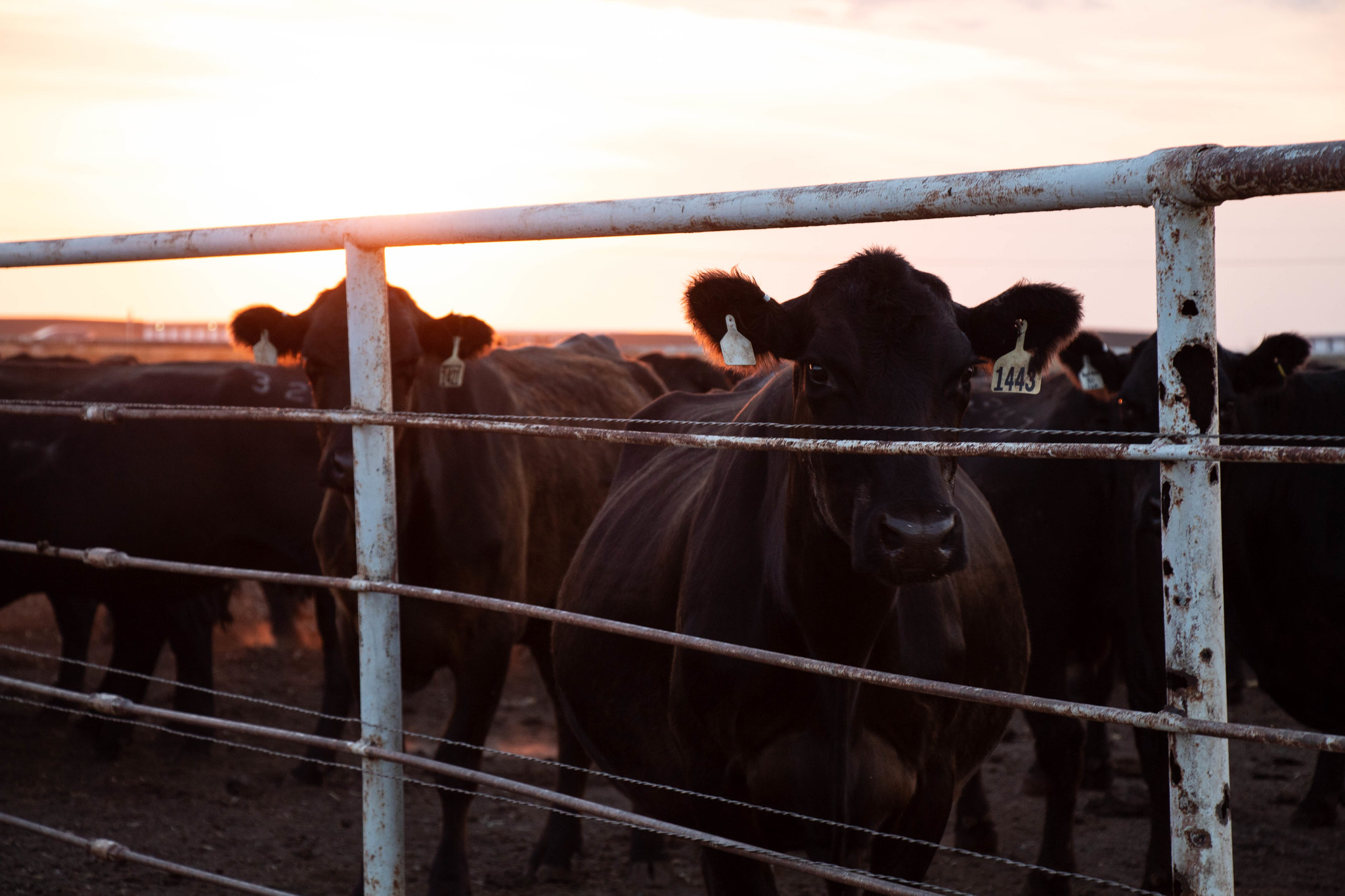
LUBBOCK, TX – Tight cattle supplies and strong consumer demand continue to drive historically high beef prices across the U.S. market, from cow-calf operations to grocery shelves.
Texas A&M AgriLife Extension experts say cow/calf producers are benefiting from record calf prices, fueled by low national herd numbers and ongoing demand. USDA’s July cattle inventory report showed a slight herd increase to 28.7 million head—still near the 73-year low recorded in January 2024. Strong demand and limited supply continue to support high prices at every level.
Dr. Jason Cleere, beef cattle specialist with AgriLife Extension, said heavier cattle weights have partially offset low numbers, but overall beef production remains down. At the retail level, prices are high, but consumer demand has held steady.
Dr. David Anderson, AgriLife Extension economist, noted 300–400-pound calves averaged $4.67 per pound nationally, with some Texas auctions reporting over $5.25. He said the seasonal supply of calves, especially during fall, typically leads to annual price fluctuations, but the current market is defying expectations.
USDA ERS estimates U.S. cattle production will top $83 billion in 2024. In Texas, favorable grazing and easing input costs have improved margins, though most ranchers are still choosing to sell heifers rather than rebuild herds.
Cleere and Anderson expect calf prices to continue rising into 2026. A major herd rebuild could push prices even higher, but so far, producers are prioritizing near-term profitability.
Cleere encourages ranchers to plan for leaner times ahead. Optimizing reproductive efficiency, managing forage, and reducing long-term costs now can help sustain operations when prices eventually decline.