
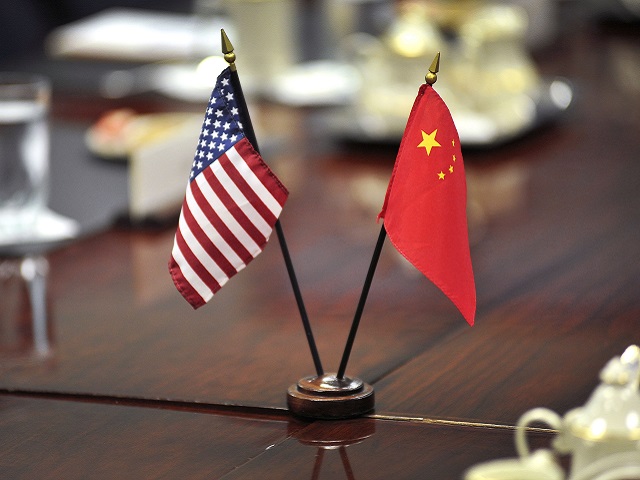
NASHVILLE, TN – U.S.–China trade talks in Paris put agriculture back at the center of negotiations, reinforcing how closely farm exports remain tied to broader economic relations between the two countries. Producers are watching closely for signs of renewed Chinese buying, though no new commitments were confirmed as meetings wrapped up.
U.S. and Chinese officials met March 15–16 at OECD headquarters in Paris to discuss trade, agriculture, and supply chains ahead of a possible meeting between President Donald Trump and President Xi Jinping. Reporting indicates that China showed openness to additional purchases of U.S. agricultural goods, while both sides also addressed rare-earth supply issues and broader trade balance concerns.
Operationally, expanded Chinese demand could support U.S. grain and protein markets, particularly soybeans, beef, and poultry, while helping stabilize export outlooks amid global uncertainty. However, analysts noted major breakthroughs were unlikely during the Paris talks, given geopolitical tensions and limited preparation time.
Regionally, China remains a leading buyer of U.S. agricultural exports, and past negotiations show that shifts in Chinese purchasing patterns can quickly influence prices across the Midwest grain belts and the Plains livestock sectors.
Looking ahead, markets will focus on whether talks translate into concrete buying commitments later this year, as broader economic tensions and global supply dynamics continue to shape trade flows.
Farm-Level Takeaway: Watch China’s demand signals for export direction.