
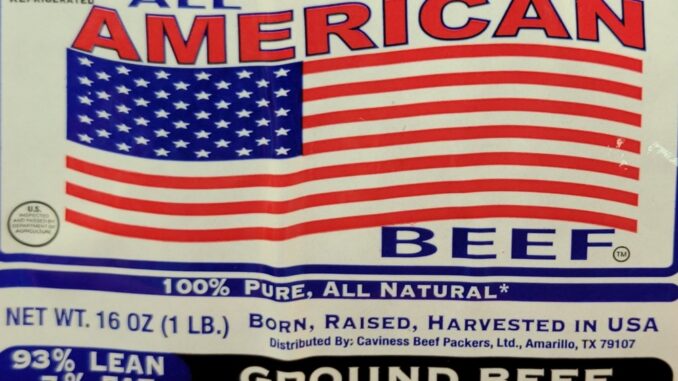
LUBBOCK, TX – Imported lean beef plays a complicated role in the U.S. cattle market, helping supply ground beef while also creating demand for fatty trim from grain-fed cattle. Steve Dittmer of the Agribusiness Freedom Foundation says that connection is often overlooked.
USDA research says imported beef consists largely of lean trimmings blended with fattier domestic trim to reach desired ground-beef ratios. As cow slaughter declines during herd rebuilding, less domestic lean processing beef becomes available, increasing the need for imported product.
President Donald Trump recently expanded the 2026 tariff-rate quota for lean beef trimmings by 300,000 metric tons, or about 661 million pounds. The additional volume is scheduled across three monthly tranches from September through November.
For cattle producers, imports can pressure domestic markets, but they can also increase the value of fed-cattle trim that otherwise has lower-value uses. That makes the impact more complex than a simple imported-versus-domestic comparison.
With beef cow slaughter falling and ground-beef demand remaining important, producers will be watching whether added imports ease consumer prices without weakening cattle values.
Farm-Level Takeaway: Lean beef imports can support ground-beef supplies and fed-cattle trim values, but additional volume could still influence cattle-market prices.