
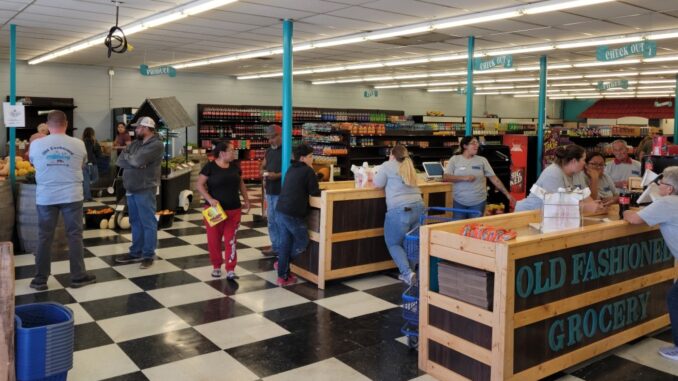
COLUMBIA, SC – Some rural communities are exploring cooperative grocery stores as independent retailers disappear under pressure from population loss, stronger chain competition, and aging ownership, according to South Carolina cooperative development specialists.
A recent survey of 773 residents in a community of about 9,000 found strong interest in a local grocery option. Product quality ranked highest when choosing where to shop, followed by price, value, selection, and availability.
Fresh produce was the most desired category, followed by meat and seafood. Locally sourced products also ranked highly, with nearly 89% of respondents calling local sourcing at least moderately important, potentially creating opportunities for nearby farmers and food businesses.
Interest in the cooperative model was less certain. About 69% of respondents had little or no familiarity with cooperatives, while 61% expressed some interest in becoming member-owners. Most considered an investment below $300 reasonable.
Supporters say cooperative groceries can also serve as downtown anchors, but success depends on professional management, sufficient participation, realistic inventory expectations, and sustained community engagement.
Farm-Level Takeaway: Cooperative groceries could improve rural food access while creating additional local markets for farmers and regional food suppliers.