
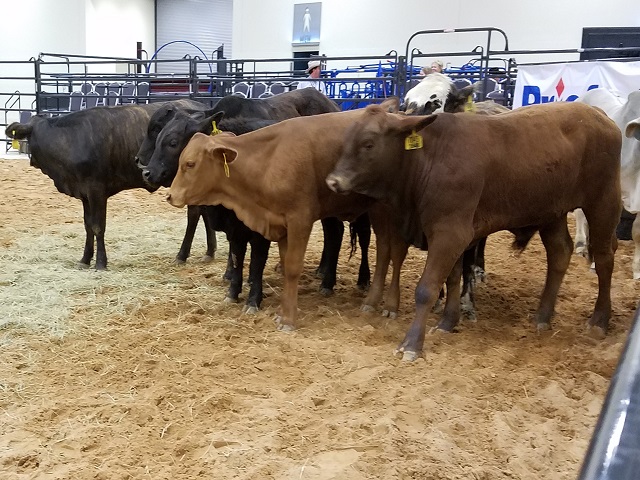
NASHVILLE, TN – USDA’s semiannual cattle inventory report may offer an incomplete picture of herd rebuilding because beef-on-dairy cattle have changed the makeup of feedlots and replacement markets. Producers Livestock’s Alex Gerdes says the industry is entering unfamiliar territory.
He expects milk cow numbers to edge higher as dairies capture added value from beef-cross calves. Beef cow numbers could remain flat or decline slightly, while heifer retention may be starting without signaling aggressive expansion.
Beef-on-dairy animals complicate historical comparisons because USDA reports do not fully separate those cattle from traditional beef placements. That can make it harder to determine whether fewer heifers entering feedlots truly reflects breeding retention.
High cull-cow values have also allowed some producers to sell older females and replace them with younger cows carrying better genetics. That approach can refresh a herd without requiring unusually large numbers of home-raised replacement heifers.
Friday’s report will give producers new cow, calf, and heifer estimates. The key will be whether the numbers show genuine expansion or simply a changing cattle population shaped by dairy crosses and herd replacement decisions.
Farm-Level Takeaway: Beef-on-dairy growth may hide early herd rebuilding and make traditional inventory comparisons less reliable.