
Top agribusiness, farming, ranching and rural-related news

Second Round of COVID-19 Agricultural Assistance Coming Soon
More relief may be coming for farmers and ranchers affected by COVID-19 shutdown and loss of marketing opportunities
Top agribusiness, farming, ranching and rural-related news
More relief may be coming for farmers and ranchers affected by COVID-19 shutdown and loss of marketing opportunities

Following another big week of commodity purchases from China, a recurring question by U.S. farmers and farm groups is whether these exports will, in fact, add up to their commitments.

Small business spending fell sharply for the second straight quarter due to a significant drop in revenues caused by pandemic lockdowns as spending shifted to debit cards.
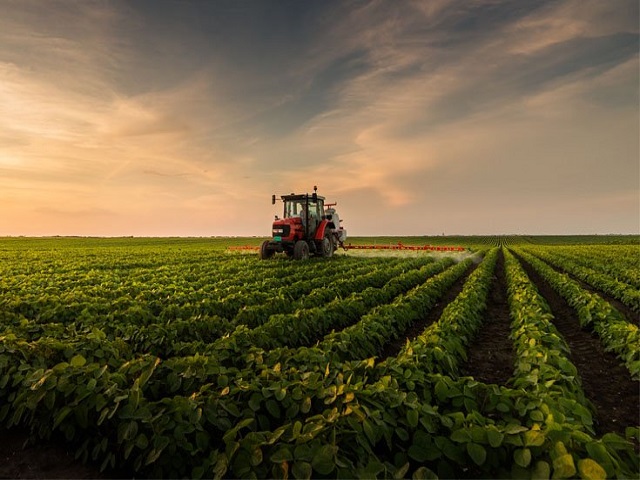
USDA’s Foreign Agriculture Service projects 2021 Brazilian cotton plantings at 3.7 million acres, down 10 percent from the current harvest.

Over the last quarter-century, the United States has become one of the largest agricultural importers in the world.
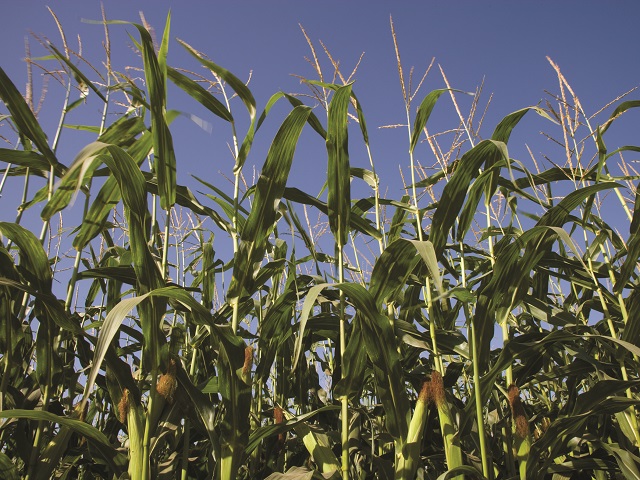
Allendale, a commodity brokerage and analysis firm, is projecting a domestic corn crop at 14.98 billion bushels in 2020.

According to the Occupational Outlook Handbook, the U.S. economy is projected to grow by .4 percent or an additional 6 million jobs by 2029.

Agricultural groups are applauding an announcement by the EPA for a proposal to streamline the regulation of some biotech advancements.
Agriculture Secretary Sonny Perdue announced that USDA will allow summer meal program operators to continue serving free meals to all children through December 31, 2020 or until all funding is exhausted.

Trade in agricultural products has been more resilient than overall trade, according to a new report from the World Trade Organization.
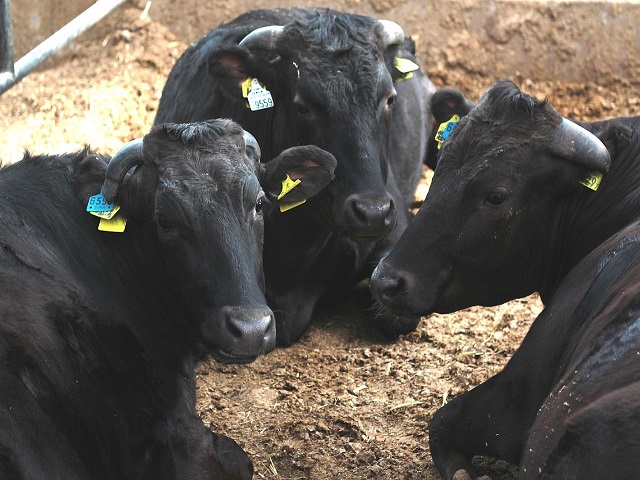
Japanese beef production is projected to remain flat in 2021 as marginally higher slaughter is offset by lower carcass weights.

Farmer sentiment improved markedly in August as the Purdue University-CME Group Ag Economy Barometer rose 26 points higher than a month earlier.
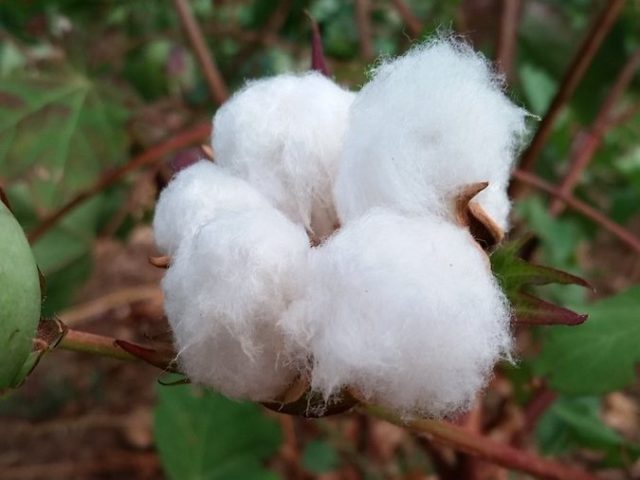
USDA’s Economic Research Service is projecting FY 2021 cotton exports to fall to $5 billion, down $400 million from 2020 due to a shorter domestic crop and increased foreign competition.

Following the President’s announcement of additional funding up to $1 billion, USDA is planning to extend current contracts to deliver food boxes through September 18.

The U.S. Drought Monitor revealed a continued intensification of drought across western parts of the country
The U.S. and China are seeing progress in the implementation of the Phase 1 trade agreement. During a six-month review this week, senior officials from both countries reaffirmed commitments to ensuring the agreement’s success.
Though held virtually for the first time in its history, the Cotton Board recently reviewed, analyzed, and voted to recommend Cotton Incorporated’s 2021 budget of $80 million to the Secretary of Agriculture.
The National Cattlemen’s Beef Association and the Public Lands Council signed a Memorandum of Understanding Monday with Ducks Unlimited and Safari Club International with a commitment to the conservation of natural resources through sustainable multiple uses.
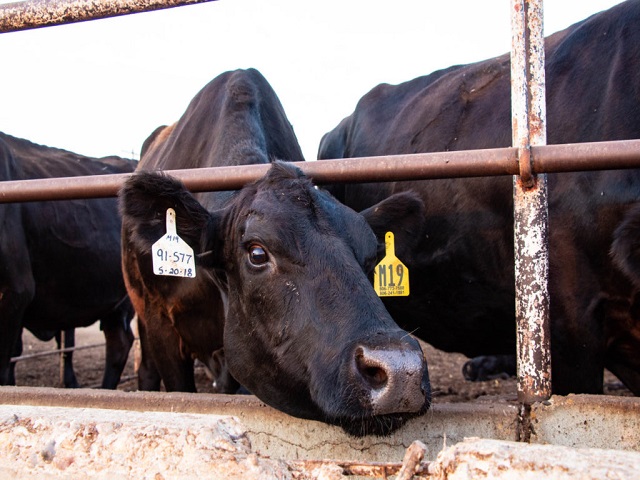
More than 10 years ago, USDA proposed a mandatory national animal identification program to protect the cattle industry from long-term injury in the event of a disease outbreak. That proposal, however, fell as cattlemen across the country balked at a government-mandate that would increase costs at a local level and could expose personal producer information to others.
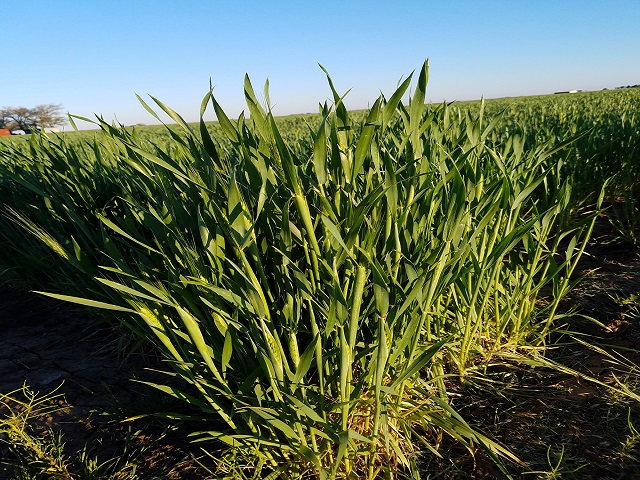
Wheat sales last week were impressive, increasing 46 percent over the previous week and 41 percent above the 4-week average, with Mexico and China topping all buyers.
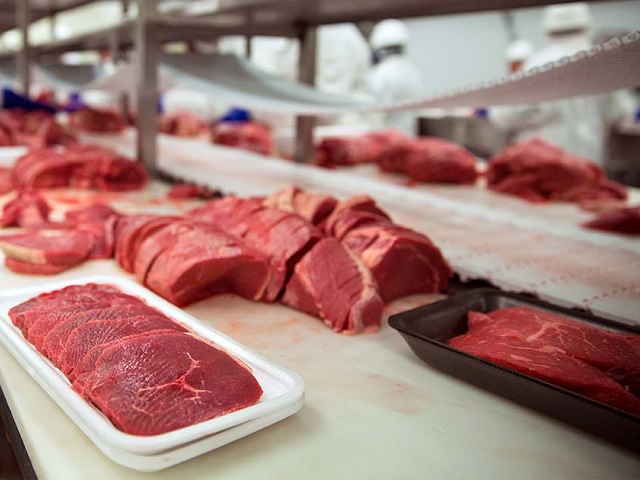
The monthly Cattle on Feed report was bearish but that report does very little about determining where we are now in the balance between supplies and demand for beef.
The U.S. Department of Agriculture (USDA) announced a new annual survey of farmers, ranchers, and private forestland owners.
China’s foodservice sector is rebounding from COVID-19 restrictions imposed earlier this year
With so many different programs and deadlines facing producers this year, USDA’s Farm Service Agency has set up a call center to provide answers and assistance.

The COVID-19 global shutdown has weighed heavily on the cotton and textile industries. As economies begin to reopen there has been some improvement in economic activity, yet consumer spending on apparel has led to a drop in year-over-year demand.

With 48 percent of Texas and 31 percent of the United States now experiencing drought conditions, livestock producers have been urging Congress and the Administration to respond by opening up emergency haying and grazing of CRP acreage.
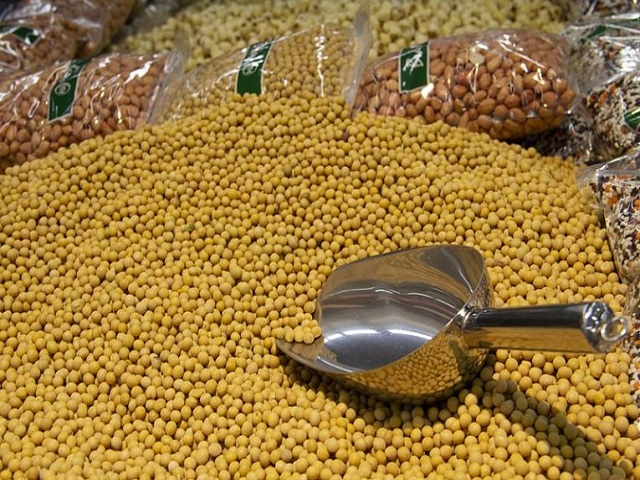
As the Pro Farmer crop tour wraps up, it’s interesting to consider the soybean to corn price ratio, as it is often used to measure the profitability of both crops.
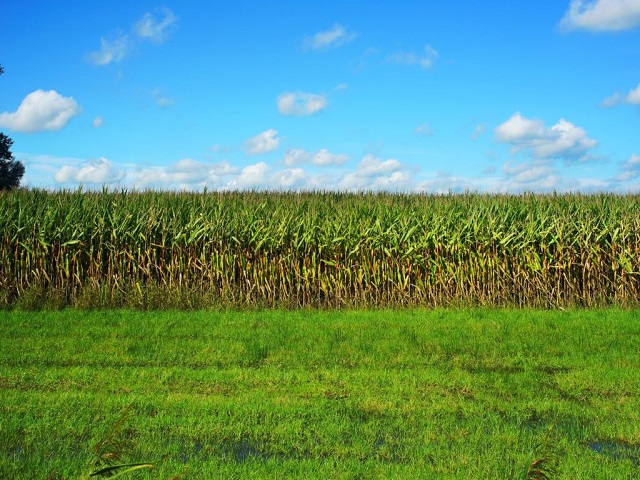
Scouts covered a big portion of the Midwest last week during the annual Pro Farmer Crop Tour and found that record corn and soybean crops could be in store for the upcoming 2020 harvest.
With all of the negative news in the economy this year, Dr. Brent Gloy with Agricultural Economic Insights is focusing on a positive story for agriculture in 2020: low-interest rates.
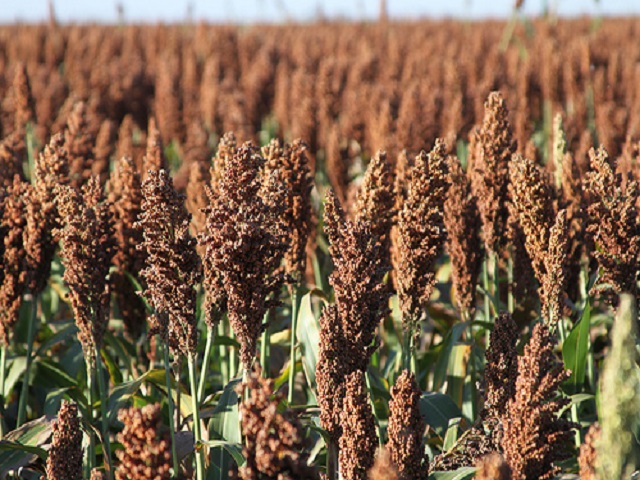
China’s announcement of tariff exclusions following the Phase One agreement had an immediate impact on U.S. sorghum exports.
As the U.S. economy dove deeper into recession amid the coronavirus pandemic in the second quarter, more than half of banks reported weaker demand for commercial and industrial loans.
Two-thirds of producers responding to the August Purdue University/CME Group Ag Economy Barometer survey said they believe Congress should provide additional economic assistance to farmers in 2020 to help offset the impact of COVID-19 on agriculture.
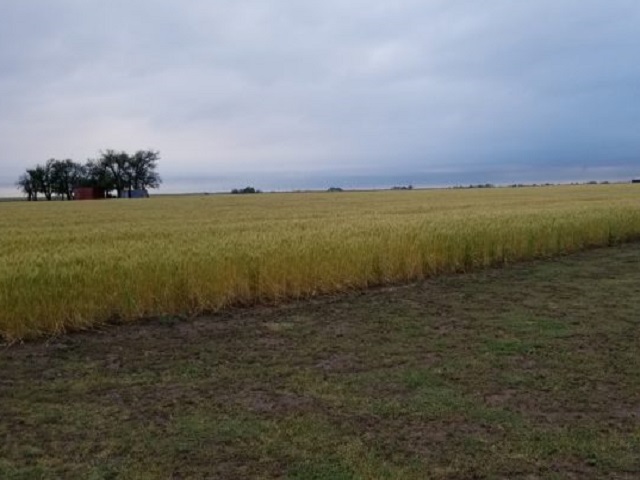
As a key component of the new USMCA trade agreement, Canada agreed to allow wheat grown in the United States for import purposes to receive an official Canadian grade as long as the variety was approved in that country.
The USDA is providing policyholders additional time to pay premium and administrative fees and to waive accrual of interest.

As Congress considers another round of stimulus and relief for businesses suffering through the COVID-19 shutdown, the American Bankers Association is asking legislators to make a change in the tax code.

The House last week approved the Water Resources Development Act of 2020, increasing maintenance and modernization projects on the inland waterway system.
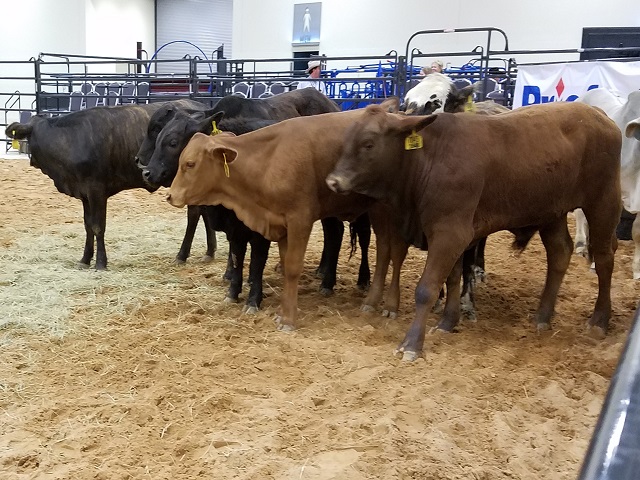
Cattle industry leaders laid out their future objectives and priorities last week during the annual Cattle Industry Summer Business Meeting.
USDA released their latest Weekly Export Sales Report on Thursday. Traders were greeted by lower sales for U.S. wheat, corn and cotton, but the light was brightest for sorghum and soybeans.

Floyd and Hale County’s Texas A&M AgriLife Extension Agents are your hosts for a series of talks with experts for the 2020 Caprock Cattle Educational Series.
Farmer sentiment was virtually unchanged in July in comparison to a month earlier, according to the latest Purdue University/CME Group Ag Economy Barometer.
Floyd and Hale County’s Texas A&M AgriLife Extension Agents are your hosts for a series of talks with experts for the 2020 Caprock Cattle Educational Series.
You’ve probably seen the latest drought maps, but do they mean lower crop yields in areas affected by drought?
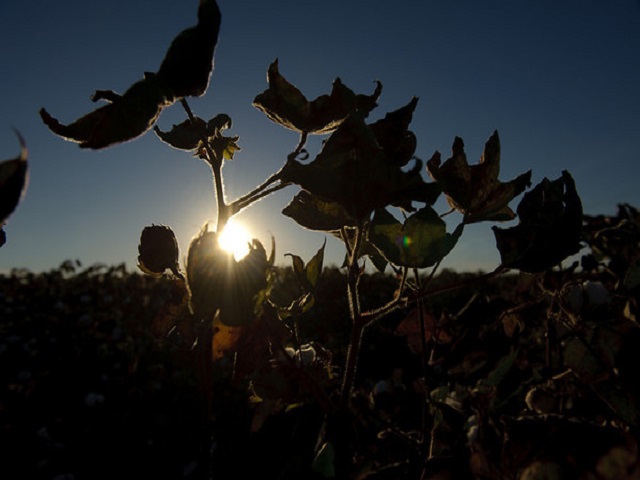
Plains Cotton Growers is reporting more than 75 percent of the dryland crop on the High Plains has been abandoned, mainly due to drought.
Floyd and Hale County’s Texas A&M AgriLife Extension Agents are your hosts for a series of talks with experts for the 2020 Caprock Cattle Educational Series.

Since 1973, US farm program payments follow a process of moving from one regime or plateau to another, with the move occurring in a one to two year period.

Though there are signs that the economy is improving after being shut down due to COVID-19 concerns, an “advance” estimate from the Bureau of Economic Analysis tells a different tale.
As the cattle industry struggles with how to move forward in light of recent supply chain disruptions and a cash market that is out of whack, some have been looking to the government for direction.

While members of the House are back home for district work this week, members of the Senate have been working towards another round of COVID-19 assistance.
One popular and efficient path for delivering corn and soybeans from the midwest to foreign buyers is shipment via barge on the nations waterways.
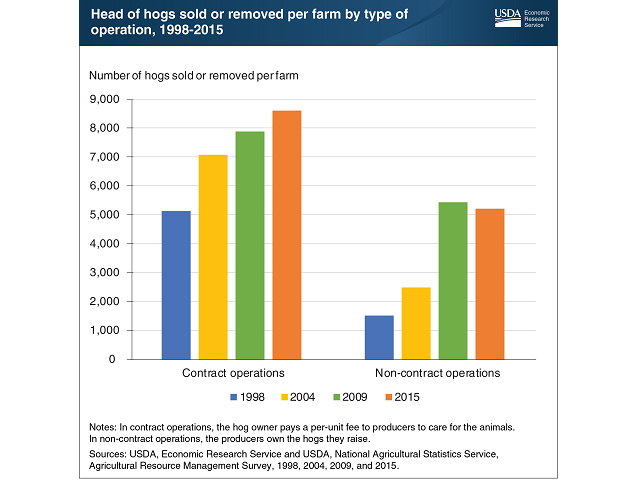
The removal, or depopulation, of hogs from farms has distinctly different effects on contract operations and non-contract operations.
Copyright © 2026 | WordPress Theme by TodayTrader