
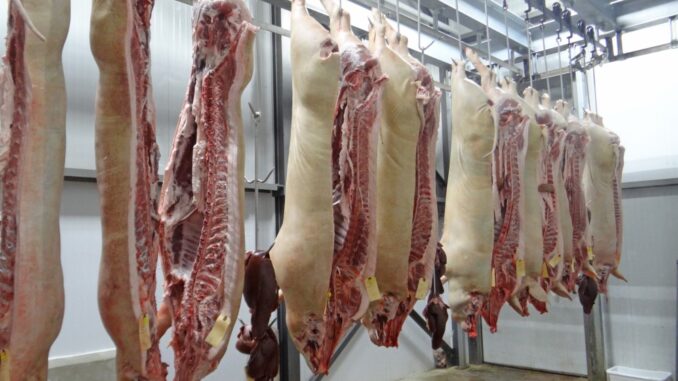
WASHINGTON, DC – U.S. hog production has shifted toward fewer, larger, and more specialized operations, giving big farms a clear cost advantage while increasing pressure on smaller producers. The changes also make contracts, manure management, and regional concentration more important to farm profitability and regulation.
The USDA Economic Research Service says hog inventories increased 37 percent from 1982 to 2022, while farms with at least one hog fell 82 percent. Contract production also expanded, and farms selling 5,000 or more hogs became a larger part of the industry.
Larger operations consistently recorded lower production costs per 100 pounds of gain. From 1998 through 2024, hog production covered total costs in only 13 of 27 years, although operating costs were covered every year.
Manure systems also varied by region. In 2020, about half of hog farms used deep pits, while Southern Seaboard operations relied heavily on lagoons. Sixty-eight percent applied manure to nearby cropland.
The report shows that efficiency gains have helped sustain production, but consolidation is likely to continue to shape market access, environmental compliance, and investment decisions for independent pork producers.
Farm-Level Takeaway: Larger hog farms retain a cost advantage as consolidation reshapes production, contracts, and manure management.