
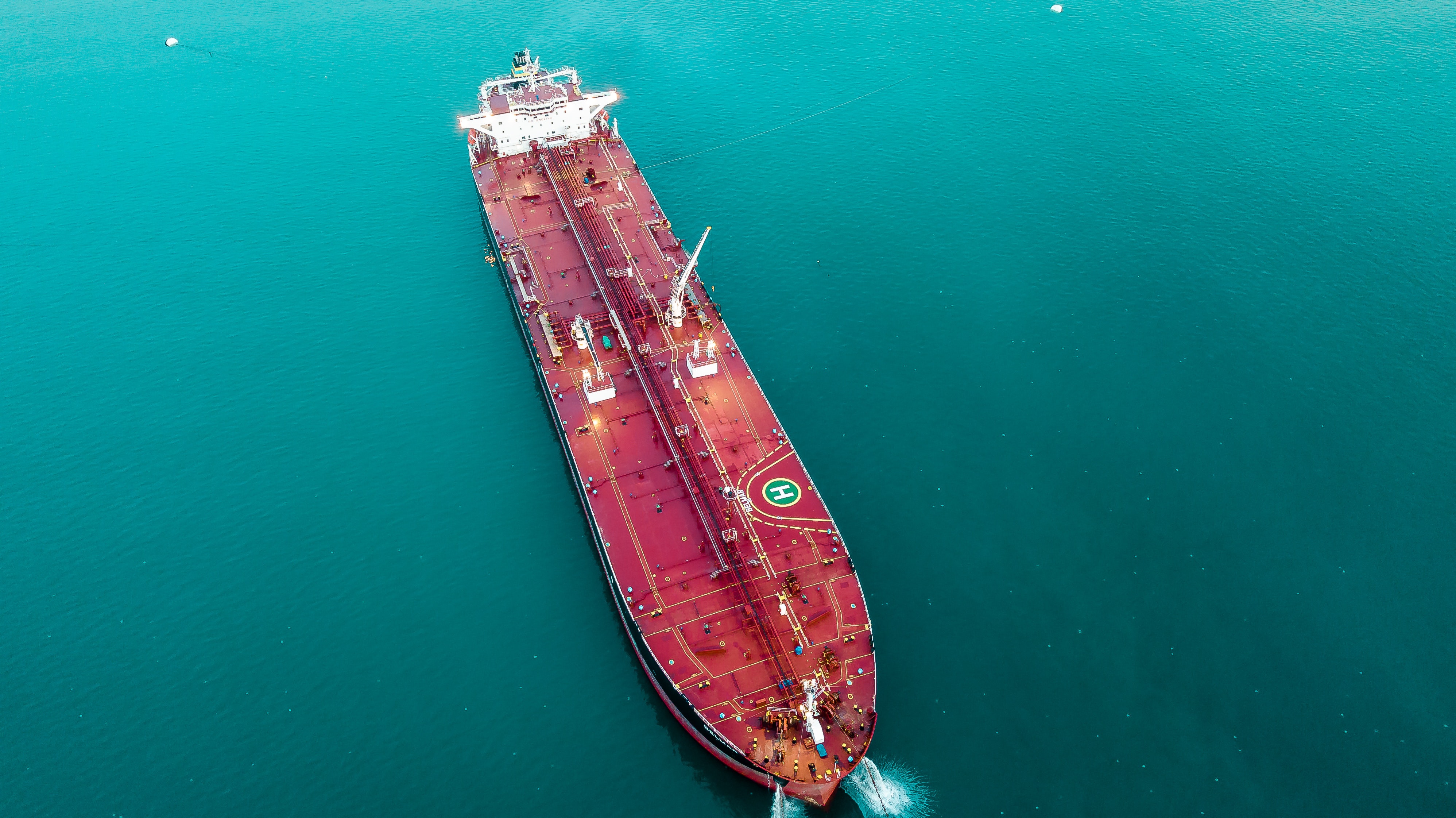
NASHVILLE, TN – Escalating conflict in the Middle East is disrupting key shipping lanes, driving higher fuel and fertilizer costs that are beginning to impact U.S. agriculture.
Vessel traffic through the Strait of Hormuz has dropped more than 90 percent since late February, following attacks on ships in the region. The Strait handles roughly 20 percent of global oil flows, and disruptions have pushed U.S. diesel prices to $5.07 per gallon, up 29 percent in two weeks. Marine fuel costs have also surged, with very low sulfur fuel oil climbing 87 percent to over $1,000 per metric ton.
Fertilizer markets are reacting as well. About half of global urea exports move through the Persian Gulf, and prices at New Orleans have jumped 37 percent since the conflict began. Industry groups are now urging railroads to prioritize fertilizer shipments ahead of peak spring demand.
The White House has responded with a 60-day suspension of the Jones Act for energy and fertilizer products, aiming to ease domestic shipping constraints and stabilize supply chains.
The situation adds uncertainty heading into planting season as global logistics and input costs remain highly sensitive to geopolitical developments.
Farm-Level Takeaway: Rising fuel and fertilizer costs increase spring risk.