
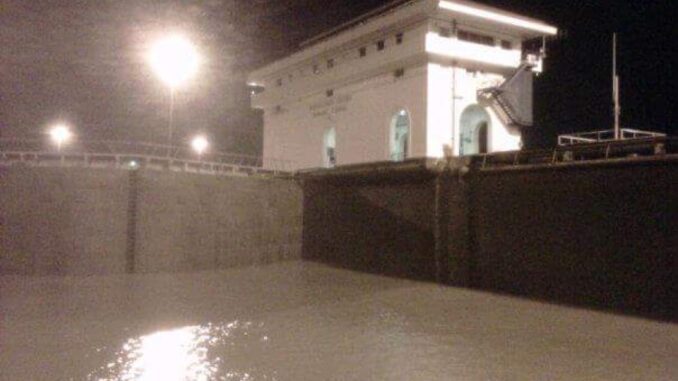
LUBBOCK, TX – New Panama Canal draft restrictions are raising concerns about how weather could affect global grain movement during the upcoming export season.
The Panama Canal Authority will reduce the maximum authorized draft for larger neopanamax vessels from 49.5 feet to 49 feet on July 24, then to 48.5 feet on August 15. Most dry bulk grain vessels use the smaller Panamax locks, which are not currently facing restrictions.
The concern is water supply. El Niño conditions are historically associated with reduced rainfall in Panama, where the canal depends on freshwater from nearby lakes. Gatun Lake levels are expected to continue falling into August.
Similar weather patterns in 2023 and 2024 forced draft and transit restrictions, causing some Asia-bound U.S. grain shipments to reroute.
Current grain movement remains active. Gulf vessel loadings are running ahead of last year, and ocean freight rates to Japan declined slightly from both the Gulf and Pacific Northwest.
The situation will be closely watched as the harvest approaches and exporters prepare for heavier corn and soybean movement.
Farm-Level Takeaway: Panama Canal water levels could influence export routes, transportation costs, and U.S. grain competitiveness later this year.