
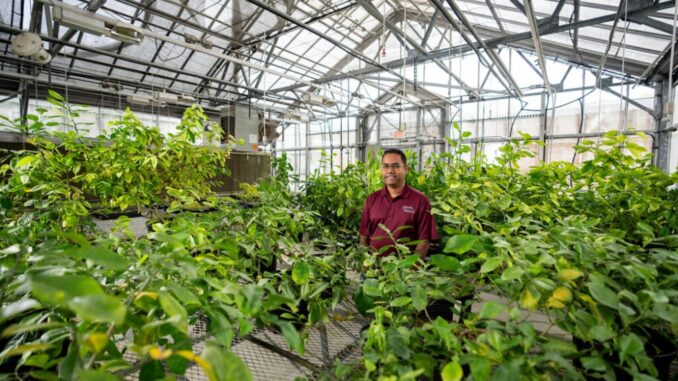
WESLACO, TX – A new citrus greening treatment developed from spinach-derived antimicrobial peptides has received unconditional registration from the U.S. Environmental Protection Agency, clearing the way for commercial use. The technology emerged from more than 15 years of research led by Texas A&M AgriLife and collaborating institutions.
The treatment uses naturally occurring spinach defensins delivered through a non-transmissible strain of citrus tristeza virus already found in Florida citrus trees. The virus prompts treated trees to continuously produce the defensin peptide without altering the tree’s genome.
Researchers say the approach functions much like an immunization, helping trees fight the bacteria associated with Huanglongbing, or citrus greening. The disease has severely reduced citrus production and tree productivity in affected regions.
Maryland-based Silvec Biologics holds registration for the commercial product and expects Florida growers to begin gaining access through the Citrus Research and Field Trial program late this year.
Researchers are also studying spinach defensins against other crop diseases, including zebra chip in potatoes, potentially expanding the technology beyond citrus.
Farm-Level Takeaway: EPA approval provides citrus growers with a new disease-management option to keep infected trees productive longer.