

Agribusiness Report Podcast: Robert Bonnie
AGRIBUSINESS REPORT PODCAST – Guest: Under Secretary of Farm Production and Conservation at USDA, Robert […]
AGRIBUSINESS REPORT PODCAST – Guest: Under Secretary of Farm Production and Conservation at USDA, Robert […]

AGRIBUSINESS REPORT PODCAST – Guest: Bob Maurer is with Manduca Trading in Chicago, IL, and […]
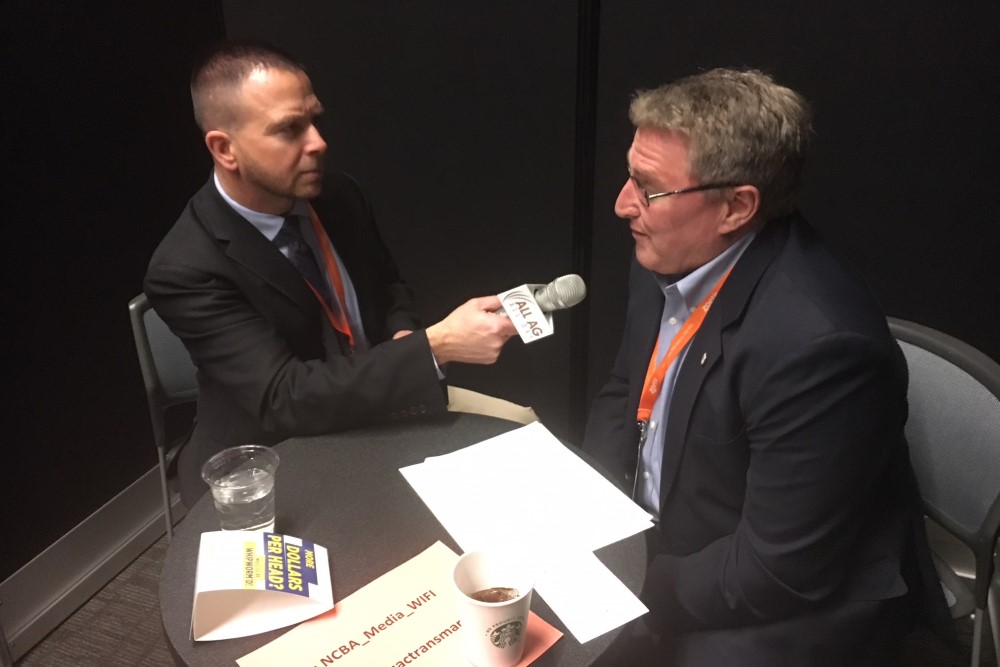
DENVER, CO – U.S. pork producers are enjoying one of the largest export increases in […]
WASHINGTON, DC – Weaker export demand appears to be pressuring commodity prices as USDA projects […]

AGRIBUSINESS REPORT PODCAST – Guest: Steve Georgy is the President of Allendale in McHenry, IL […]

ARLINGTON, VA – After months of decline, U.S. milk production is increasing again to cash […]

USDA, AMS, Cotton and Tobacco Program Grand Opening in Lubbock, TX A crowd gathered for […]

DENVER, CO – Though many within the cattle industry are familiar with the cattle fever […]
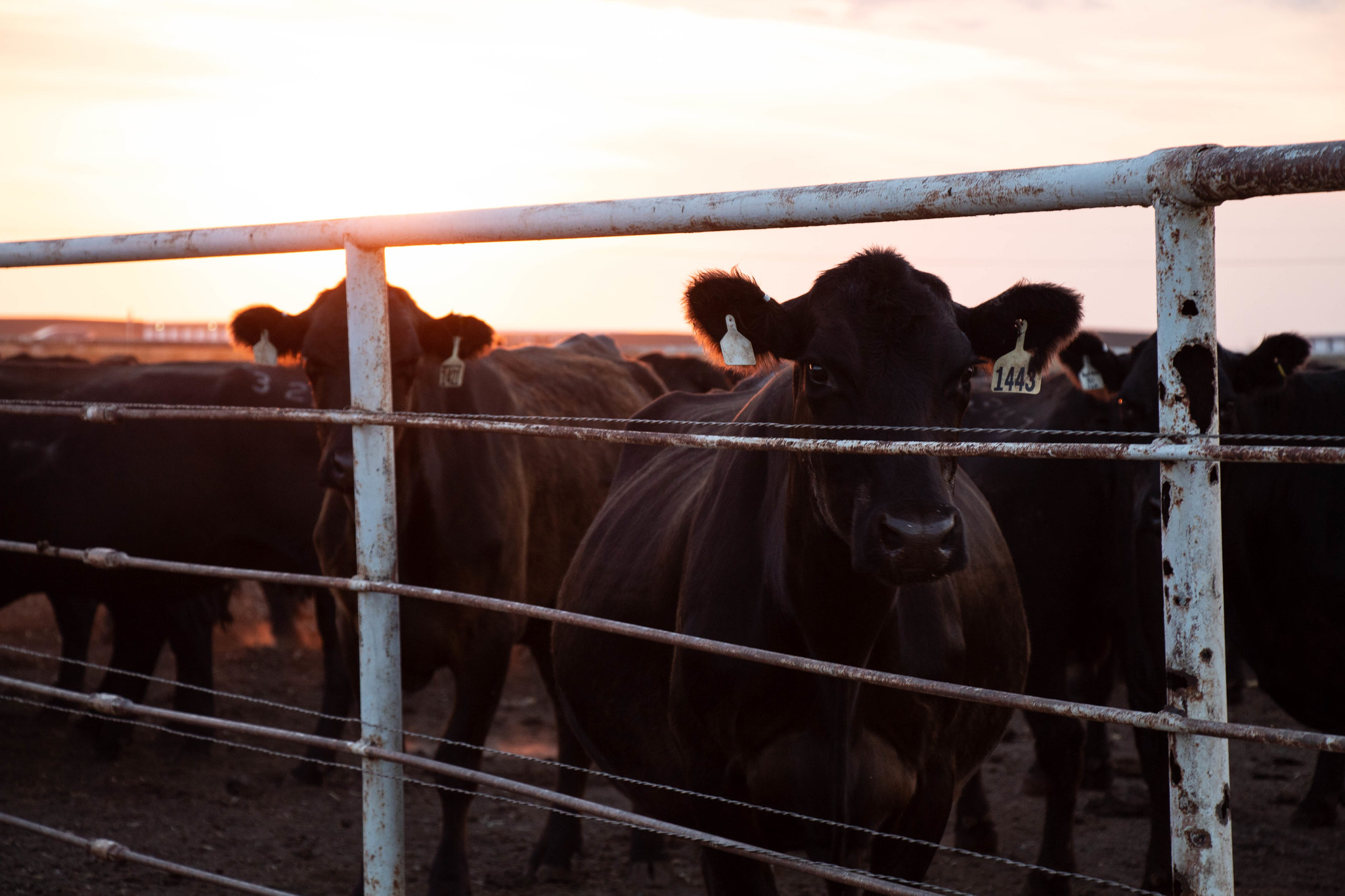
WASHINGTON, DC – The ongoing drought across the southwest is leading to a greater reduction […]
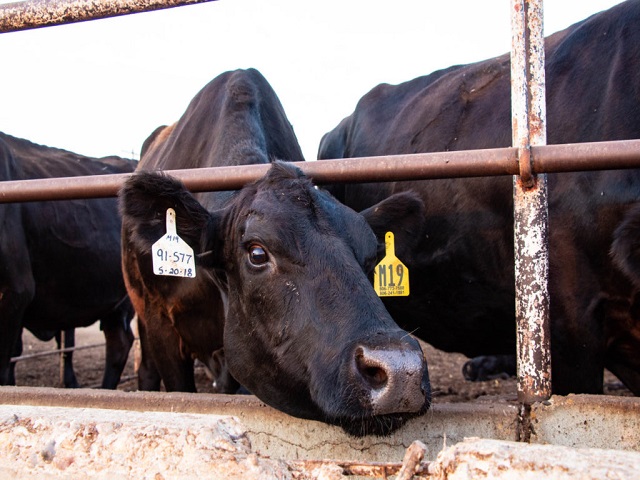
WASHINGTON, DC – On the same day that USDA delivered their semi-annual cattle inventory report, […]
WASHINGTON, DC – On Friday, the government confirmed that the U.S. cattle herd is shrinking […]

6th Annual All Ag, All Day DC Capitol Ag Tour (made possible by Ag Texas, […]

AGRIBUSINESS REPORT PODCAST – Guest: Zach Ducheneaux is the administrator of USDA’s Farm Service Agency […]

AGRIBUSINESS REPORT PODCAST – Guest: Zach Ducheneaux is the Administrator of USDA’s Farm Service Agency […]

AGRIBUSINESS REPORT PODCAST – Guest: Steve Georgy is President of Allendale and talks about the […]

AGRIBUSINESS REPORT PODCAST – Guest: Stef Feldman is Senior Advisor to the Director of the […]

AGRIBUSINESS REPORT PODCAST – Guest: Greg McBride is a broker with Allendale and talks about […]
WASHINGTON, DC – In reaction to the uncertainty in Eastern Europe, China booked its largest […]

AGRIBUSINESS REPORT PODCAST – Guest: Allison Rivera is with the National Cattleman’s Beef Association (NCBA) […]
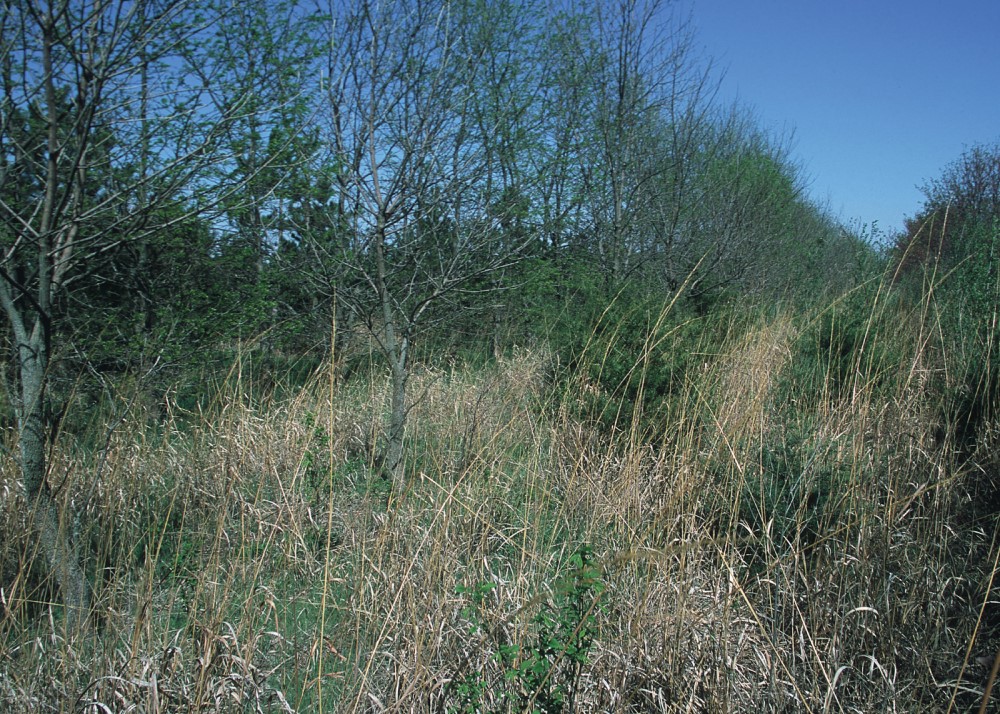
WASHINGTON, DC – Signup is underway for the Grassland Conservation Reserve Program (CRP) through USDA […]
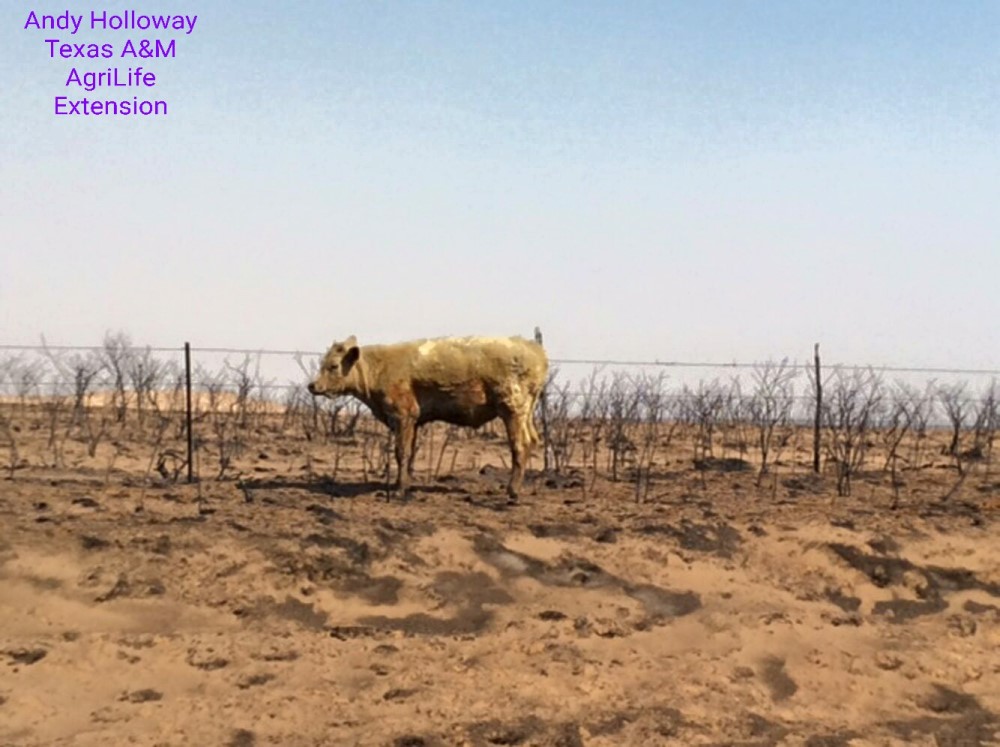
WASHINGTON, DC – USDA is announcing $670 million in assistance to more than 100,000 livestock […]
WASHINGTON, DC – On Sunday, USDA announced that ranchers with approved applications through the Livestock […]
AGRIBUSINESS REPORT PODCAST – Guest: Zach Ducheneaux is Administrator for USDA’s Farm Service Agency in […]

AGRIBUSINESS REPORT PODCAST – Guest: Robert Bonnie is Under Secretary of Agriculture for Farm Production […]

AGRIBUSINESS REPORT PODCAST – Nathan Kaufmann is the head of the Omaha Branch of the […]

NEW ORLEANS, LA – Commodity Classic returns to an in-person event this year and kicks […]
LUBBOCK, TX – There’s no difference between how those in rural America and their neighbors […]

WASHINGTON, DC – Global demand for U.S. commodities hit a record in 2021 and according […]
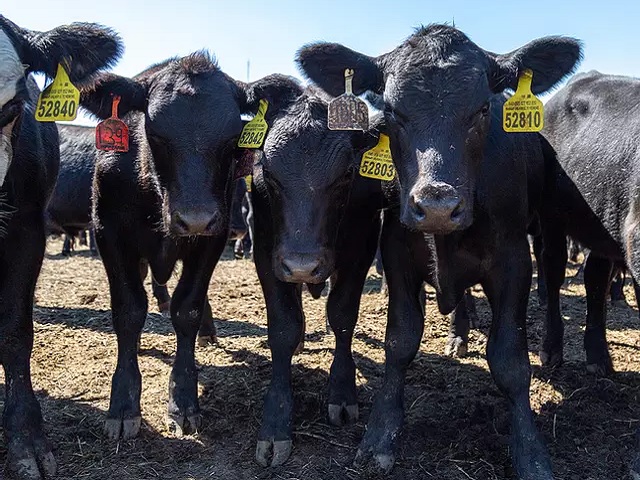
WASHINGTON, DC – More cattle and calves were placed into U.S. feedlots last month than […]
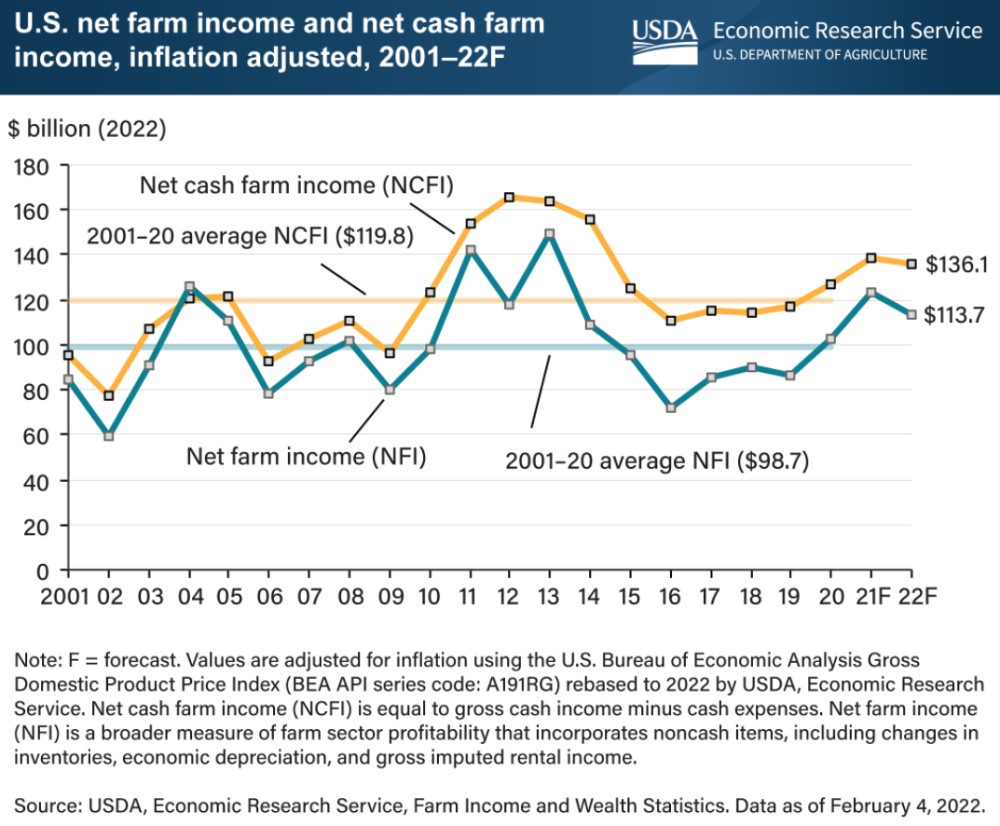
KANSAS CITY, MO – USDA’s Economic Research Service forecasts inflation-adjusted U.S. net cash farm income […]
LUBBOCK, TX – March 15, 2022, is the deadline for farmers to choose between Agriculture […]
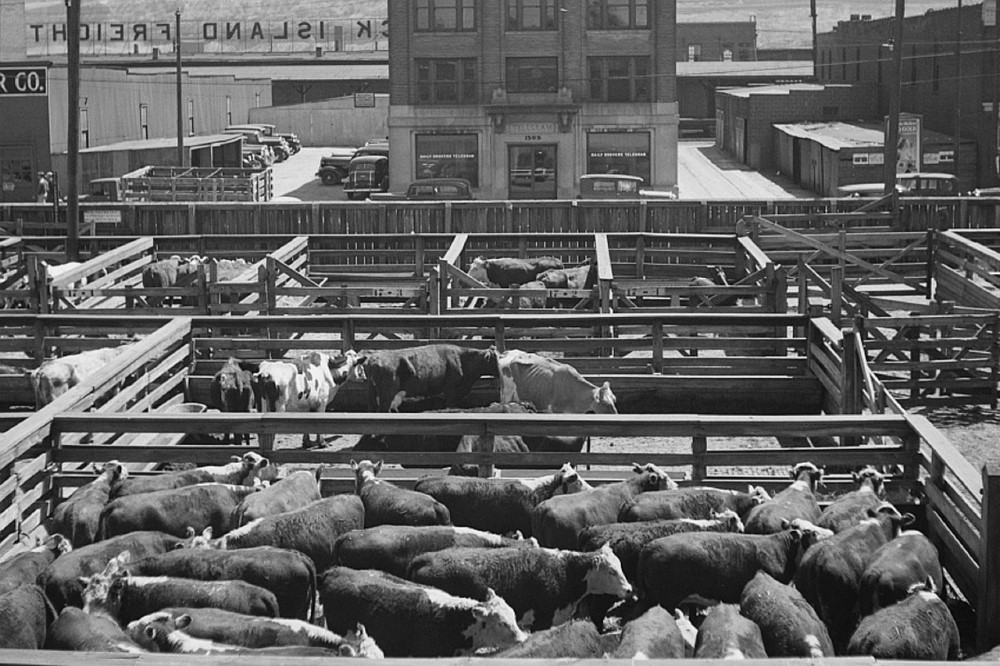
WASHINGTON, DC – USDA gave the cattle market plenty to talk about over the weekend […]
AGRICULTURE TODAY PODCAST Top ag news What’s driving cotton prices higher? Ag Secretary Tom Vilsack […]
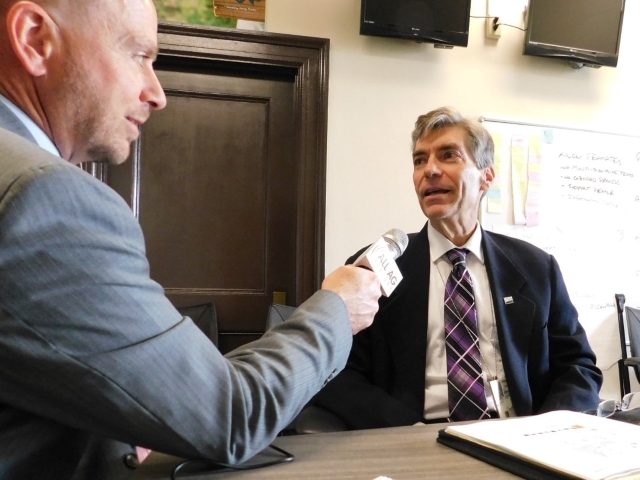
The longest-running farm program in West Texas, the AgriBusiness Report is our daily interview program with decision-makers in the world of Agriculture. Today’s guest is USDA Chief Meterologist Mark Brusberg

Across the West, moisture is spreading inland across northern and central California in what is the start of a stormy spell that could result in as much as 9 feet of snow in a few days.
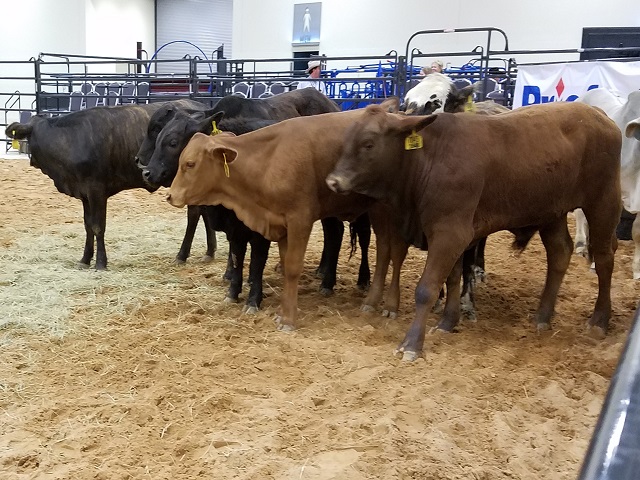
USDA’s final monthly Cattle on Feed Report dropped Thursday afternoon in front of a three day holiday weekend, leaving traders to wonder how the report will affect markets once they reopen.
Did USDA miscalculate trade damages to producers under the Market Facilitation Program in 2019?
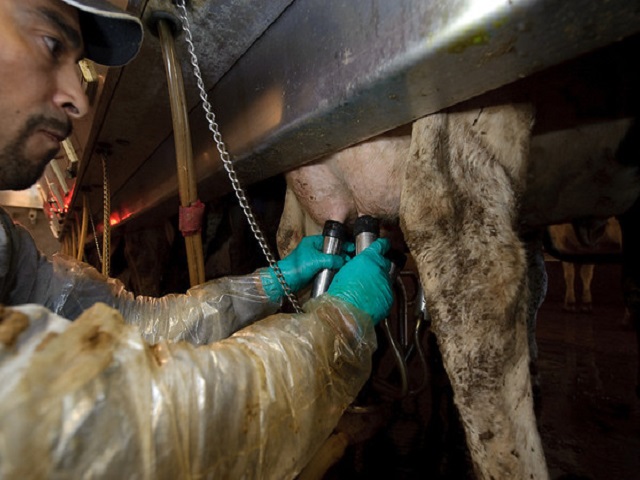
Responding to persistently low milk prices, data from USDA and the National Milk Producers Federation shows a downward trend in milk and milk solids production.

Farm labor participation is higher this year than last, according to a report released last week by USDA.
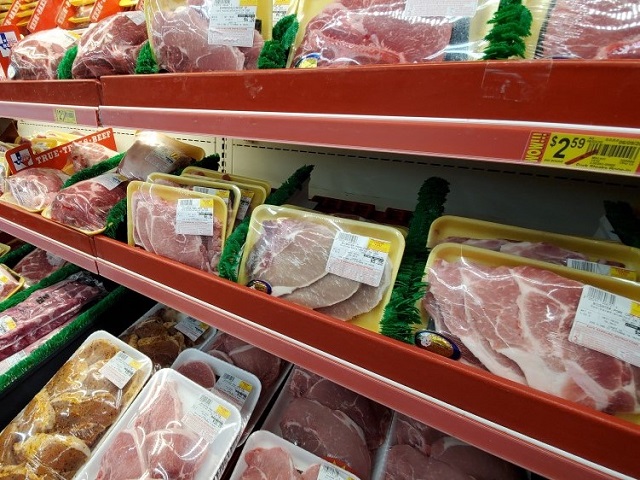
While cow slaughter numbers have been growing in 2021, the global demand for beef continues to grow.
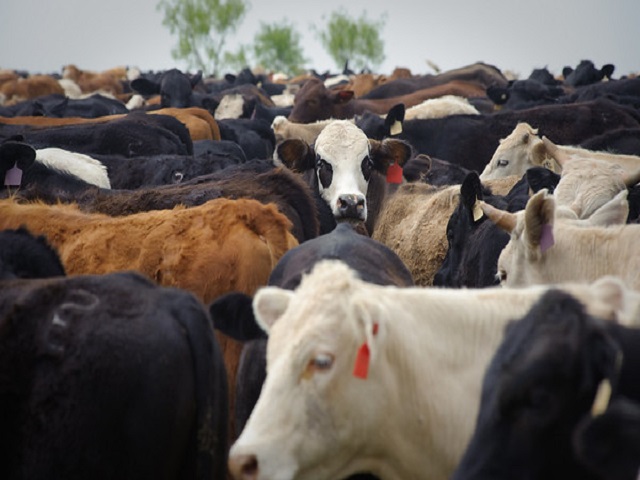
Cattle and calves on feed for the slaughter market in the United States for feedlots with capacity of 1,000 or more head totaled 11.9 million head on November 1, 2021. The inventory was slightly below the same time in 2020.
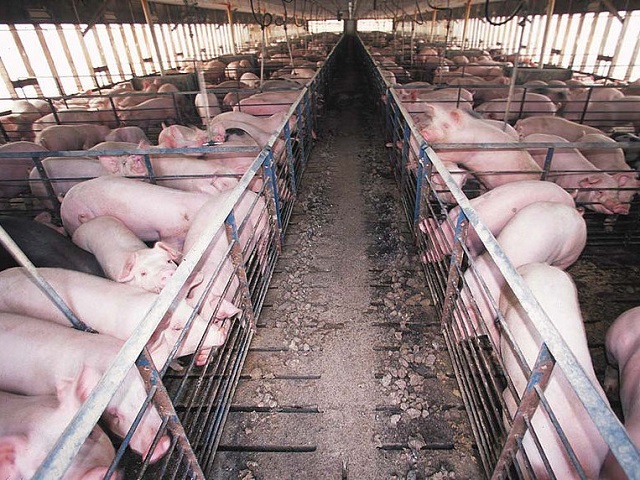
USDA recently rolled out a proposal to let certain plants run at higher line speeds and explicitly allows nine plants that adopted the 2019 NSIS plan may now apply for a one-year trial program using increased line speeds.
Continued concern and frustration with the lack of transparency within the cattle market by producers have led a bipartisan group of Senators to introduce the Cattle Price Discovery and Transparency Act.

Earlier this week, USDA’s Farm Service Agency notified State and County FSA Offices that a third round of payments to producers eligible under the 2019 and 2020 WHIP+ program had been authorized.
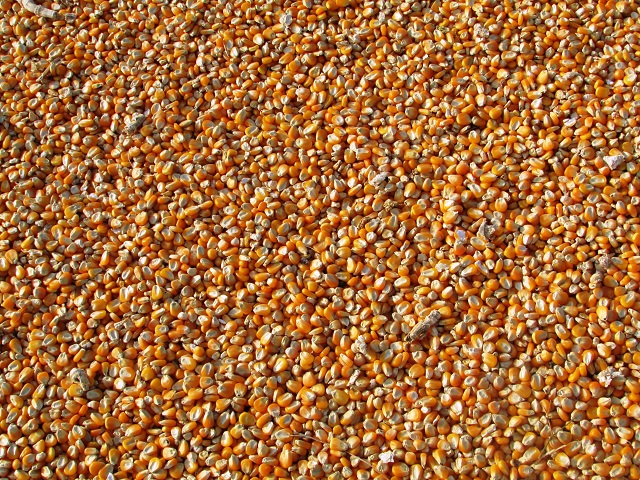
USDA released their latest crop production forecast on Tuesday. Their November report projected year-over-year increases for corn, soybeans, and cotton in the United States based on conditions as of November 1, 2021.
USDA is preparing to issue $1.8 billion in Agriculture Risk Coverage and Price Loss Coverage program payments for the 2020 crop year, and for producers enrolled in PLC, those with barley, canola, chickpeas, dry peas, flaxseed, lentils, peanuts, seed cotton, and wheat will receive a payment.
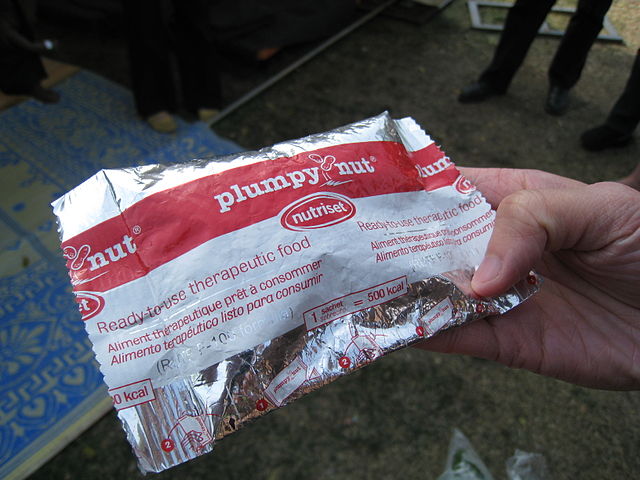
On Thursday, a bipartisan group from the House Agriculture Committee sent a letter to Agriculture Secretary Tom Vilsack and Samantha Power, Administrator of the U.S. Agency for International Development in support of ready-to-use therapeutic food production as child malnutrition rates rise globally.
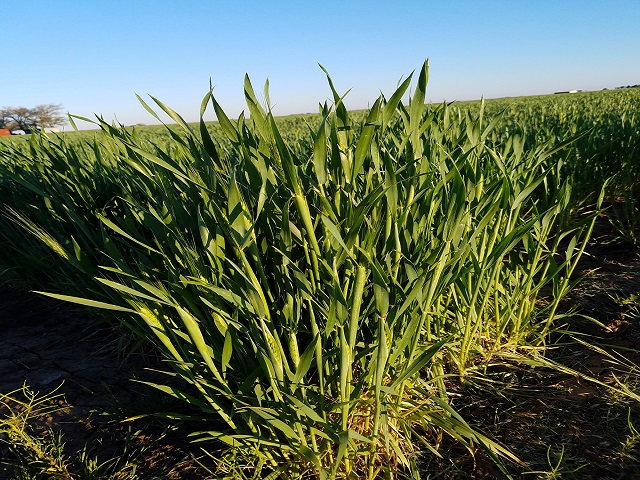
It was a disappointing week for U.S. commodity export sales, as USDA reported lower export sales for basically every major row-crop this past week. For the week ending October 21, 2021, actual exports were higher, week over week, for wheat and soybeans while it’s a marketing year low for cotton.
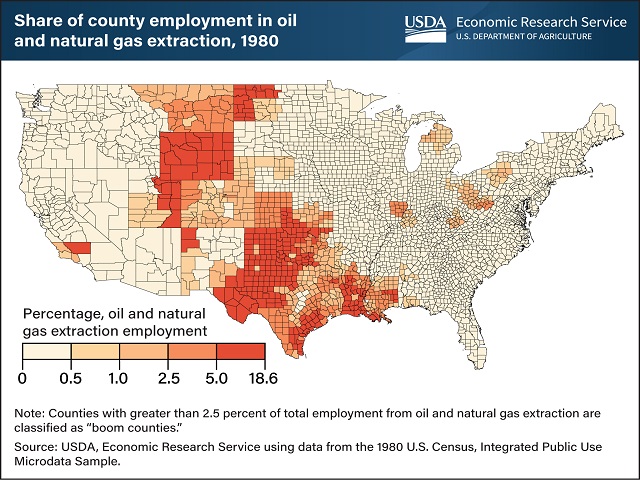
Over the past few years, researchers at USDA, the University of Oregon, and the University of Wisconsin-Madison studied the cumulative effects of oil booms and subsequent busts on communities and found that the oil booms offered a monetary incentive to families.
On Monday, USDA’s Economic Research Service released its monthly Situation and Outlook Report for livestock.
Copyright © 2026 | WordPress Theme by TodayTrader