
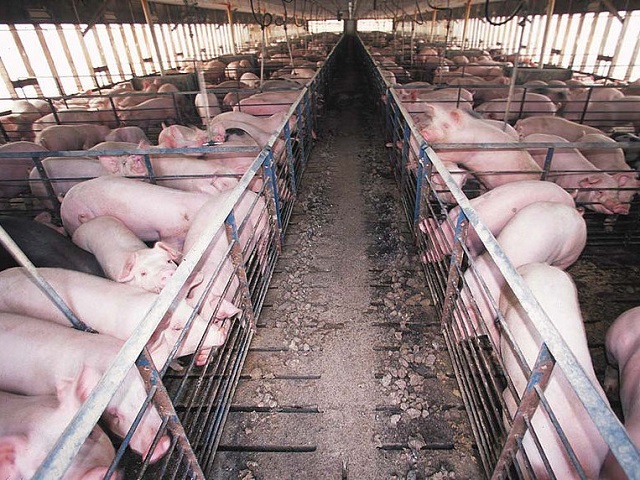
Pork Processing Line Speeds May Resume Under Proposal
The National Pork Producers Council is reporting that USDA may allow harvesting line speeds at pork packing plants to increase, under a proposal being considered by the White House.
The National Pork Producers Council is reporting that USDA may allow harvesting line speeds at pork packing plants to increase, under a proposal being considered by the White House.
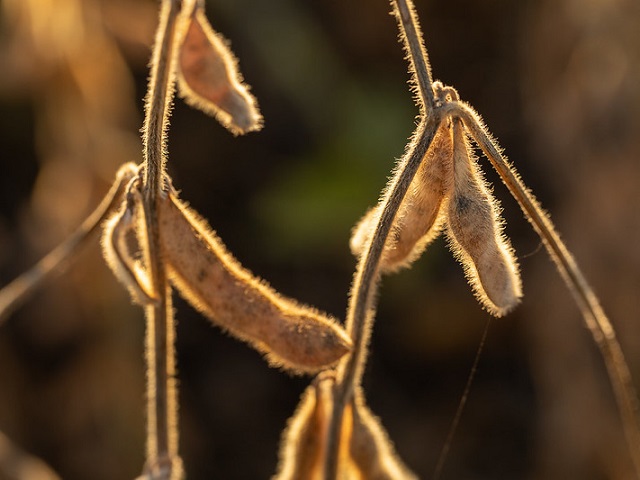
USDA’s National Agricultural Statistics Service released their October Crop Production Report on Tuesday, based on conditions as of October 1, 2021. Researchers believe the harvest for corn and soybeans will be greater than last year’s production, while the final U.S. cotton crop is expected to be smaller.
As the cattle industry continues to struggle with a lack of transparency in trades, a reduction in processing capacity, and lopsided revenues for packers, Congress and USDA challenged the Agriculture and Food Policy Center at Texas A&M to find the causes for and potential solutions to the problems.

Last week, Agriculture Secretary Tom Vilsack announced a comprehensive set of investments by USDA aimed at supporting drought resilience, animal disease prevention, market disruption relief, and updates for school nutrition programs.
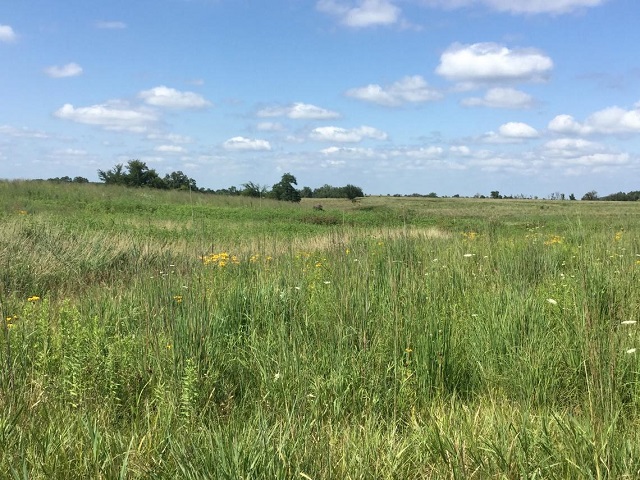
For the first time in history, producers and landowners offered nearly 4 million acres of land for enrollment in this year’s Grassland Conservation Reserve Program Signup.
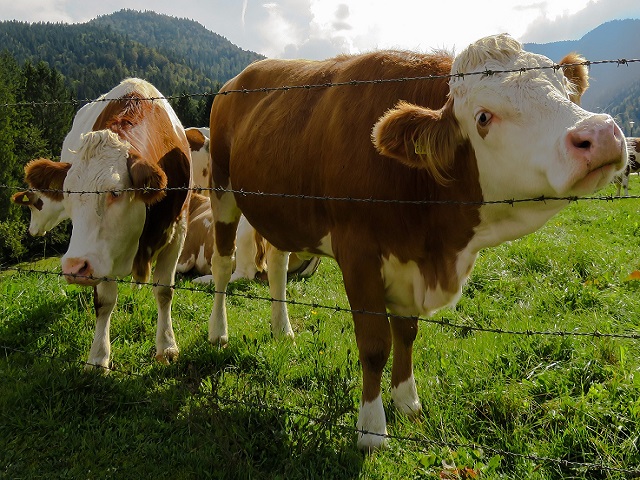
On Wednesday, USDA announced the expansion of the Emergency Assistance for Livestock Program, to provide coverage for feed transportation costs, in addition to water transportation costs.
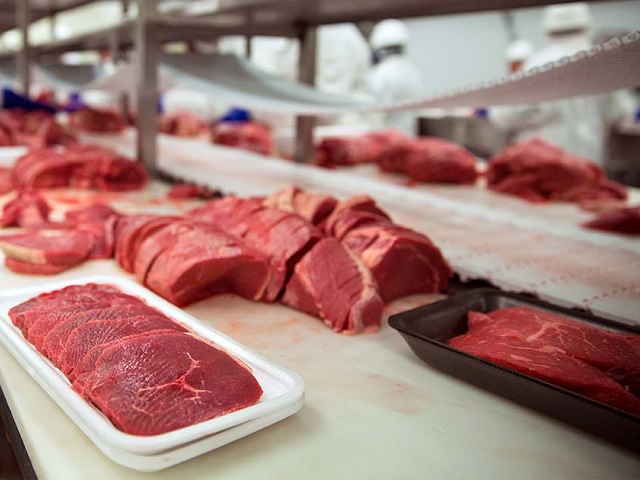
In a White House Press briefing on Wednesday, Brian Deese, Director of the National Economic Council told reporters that the Biden Administration was ready to address both supply-chain issues and a lack of competition in the meat-processing arena.

Even as products like the Impossible Burger and Beyond Meat have been expanding in restaurants and grocery store shelves, the debate on how to label these “alternative” products continues.

he more experience a farmer has in their operation, the less likely they are to buy farm inputs or access market information online, according to a report released by the Economic Research Service.
Family farms accounted for 98 percent of all U.S. farms in 2019, according to data released by the Economic Research Service.
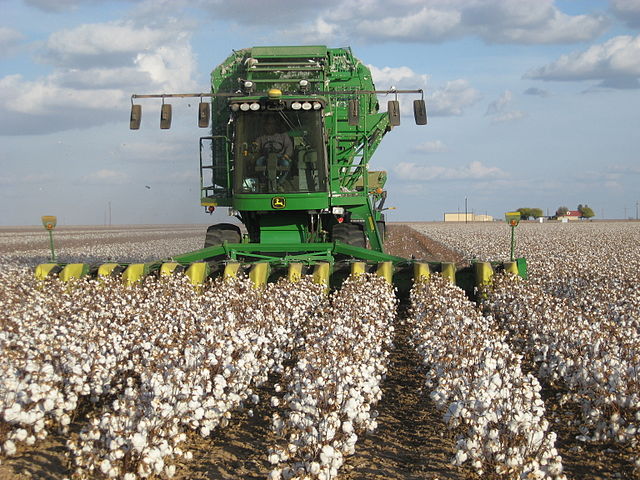
USDA released their latest World Agricultural Supply and Demand Estimates report on Thursday with an expectation for higher prices for wheat and corn, no changes for soybeans , but the highest price for cotton in almost 10 years.
U.S. farmers are expected to produce larger corn, soybean and cotton crops compared to last year according to the latest Crop Production forecast from USDA’s National Agricultural Statistics Service.
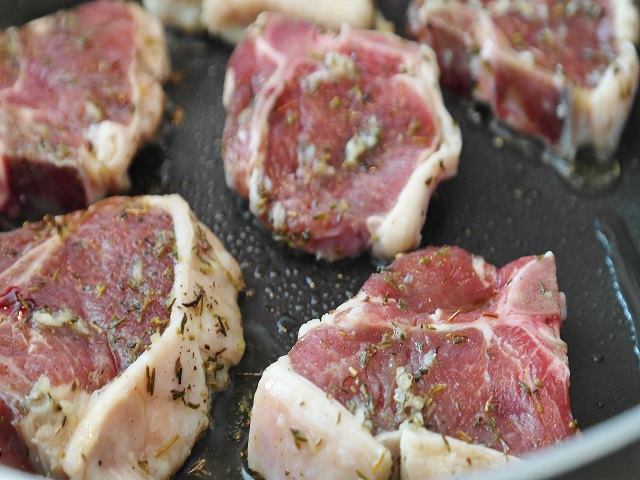
Growing demand for lamb meat is leading to higher prices for producers, according to data collected by the U.S. Meat Export Federation.
Export sales of wheat were higher for the week ending July 22, but not just lower for corn, soybeans, and cotton, they were actually the equivalent of returns as the cancellation of previous sales outpaced the current week’s sales.
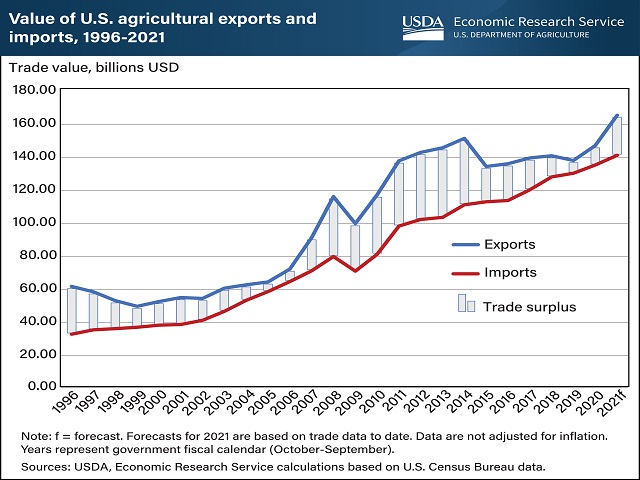
Though U.S. export commodity sales have been at impressive levels over the past 18 months, the Economic Research Service is predicting an all-time high for this fiscal year.
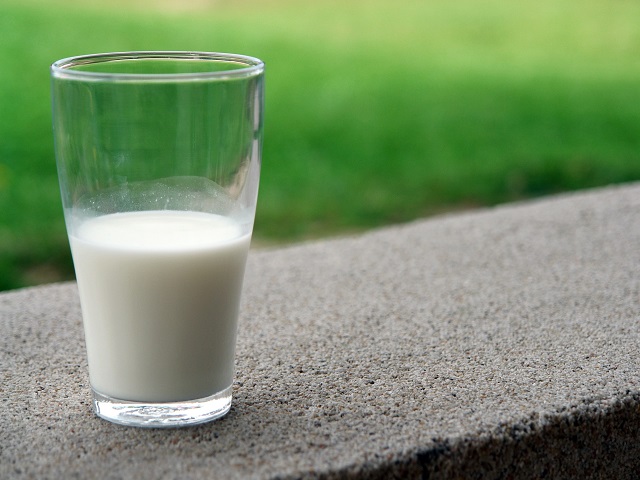
Milk production in the United States expanded by more than 3 percent during the month of June, according to the latest data from USDA.
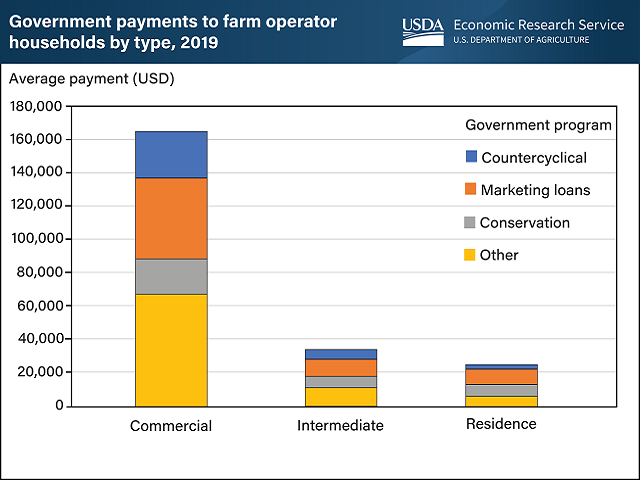
Government payments to farm operator households totaled $14.8 billion in 2019, based on data from USDA’s Agricultural Resource Management Survey.

The nation’s cattle herd is in contraction, and has been confirmed by the latest July Cattle on Feed Report.
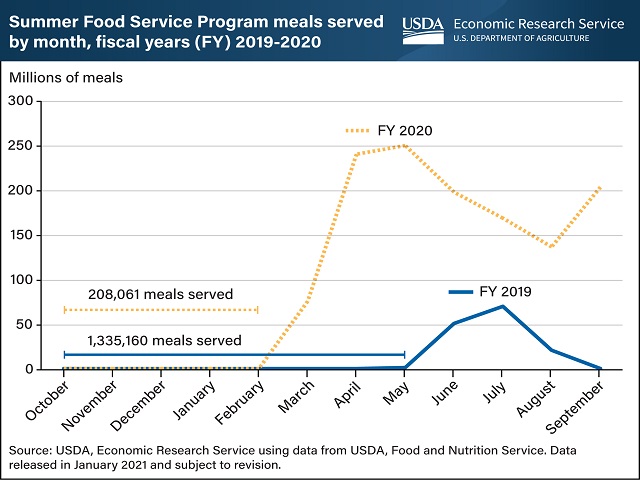
According to the Economic Research Service, in fiscal year 2020, USDA’s Summer Food Service Program served a record of almost 1.3 billion meals, just under 9 times more than one year earlier.
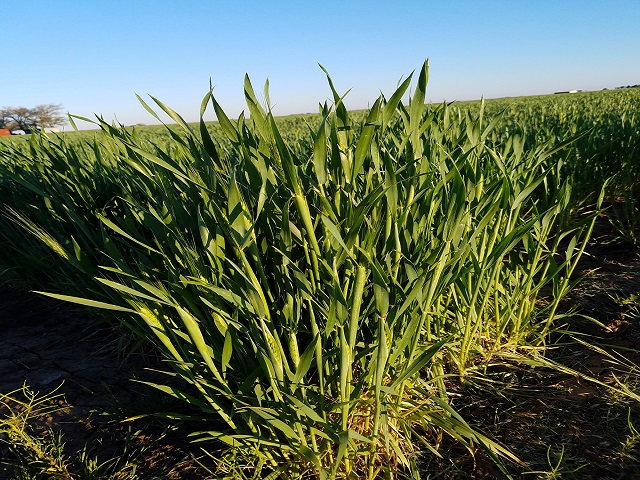
The latest Weekly Export Sales Report suggests a week over week increase for wheat sales, but reductions from corn, soybeans and cotton.

The House Agriculture Committee met on Wednesday to outline and debate HR 4374, the Broadband Internet Connections for Rural America Act.
While traveling through his home state of Iowa, Ag Secretary Tom Vilsack announced USDA intends to make significant investments to expand processing capacity and increase competition in meat and poultry processing.
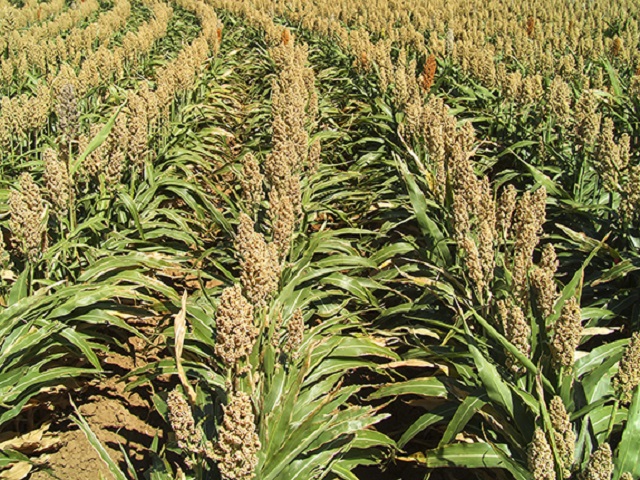
USDA’s latest WASDE report provides an increase in potential crop prices for wheat, no change for cotton, and lower prices for corn and soybeans.

The Federal Trade Commission has voted to adopt a final Made in USA rule to strengthen enforcement of the new standard.
Another major deadline is approaching for row-crop producers, according to USDA, as those who have not yet completed their crop acreage reports after planting should make an appointment with the local Farm Service Agency soon.
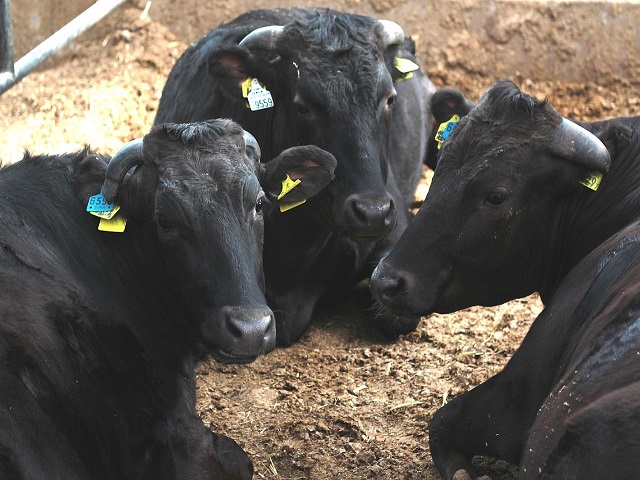
Cattle on feed in the U.S. as of June 1, 2021 are at the second-highest level in recorded history, according to the latest data from USDA.

Agricultural groups are applauding last week’s passage of the Growing Climate Solutions Act in the Senate by an impressive 92-8 margin.

After roughly two years of breaking even in agricultural trade, U.S. agricultural exports are outpacing imports and are on pace to finish just behind the surplus recorded in 2017.
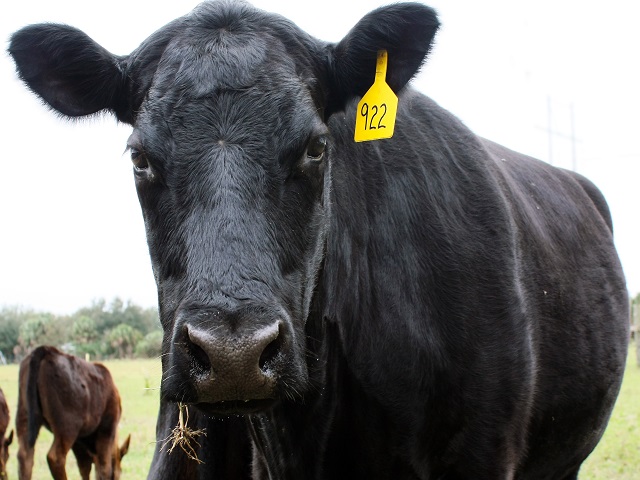
A cattle market that is out of balance is leading to more calls for transparency, especially in Congress.
According to a press release, the Department will begin work on rules to support the enhancement of the 100-year-old law by proposing a new rule to strengthen enforcement of unfair and deceptive practices.
Following a record-breaking March performance, exports of U.S. beef and pork continued to build momentum in April, according to data released by USDA and compiled by the U.S. Meat Export Federation.
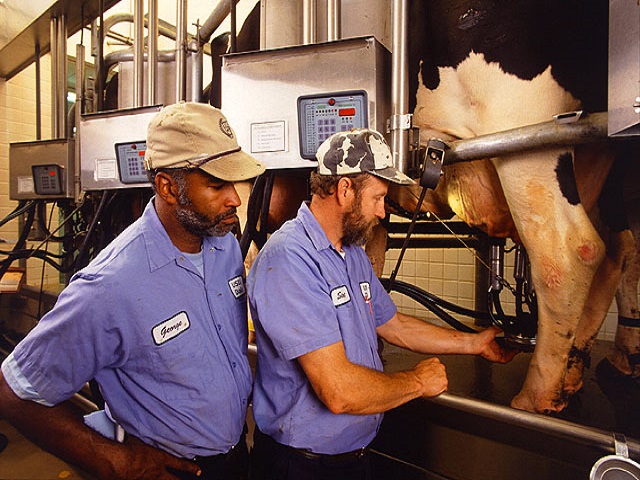
If you’re going to play in dairy, you better plan to play big.

USDA wrapped up an unexpected gift for some farmers on Tuesday by announcing a premium benefit to producers of crop insurance policies who planted cover crops this year.
Pork producers are waiting to see if USDA can assist the industry after a recent federal district court ruled that the 20-year-old New Swine Inspection System should not be implemented in the next few weeks.
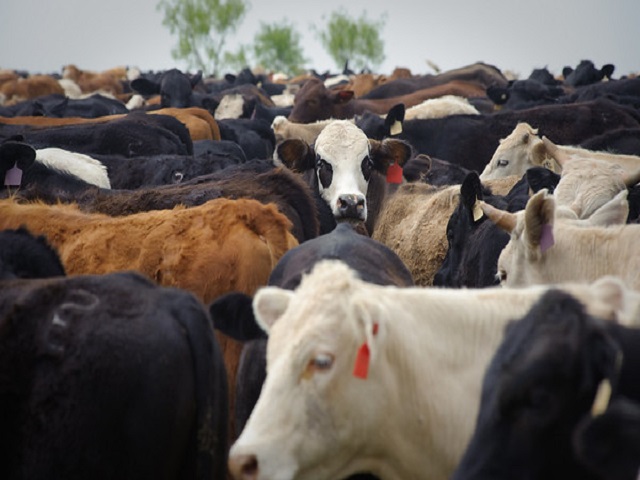
Last Friday’s Cattle on Feed report is considered relatively neutral to bearish due to higher-than-expected placements.
To date, USDA has approved almost 907,000 applications totaling more than $13.6 billion.
Net wheat sales were down noticeably from the previous week and down 61 percent from the prior 4-week average according to the latest Weekly Export Sales Report from USDA.
USDA latest World Agricultural Supply and Demand Estimates reports expected higher prices for wheat, corn, soybeans, and cotton.
USDA released their latest Crop Production Report for May, on Wednesday, and government economists expect a 10 percent year over year increase in winter wheat production this season.

The Food and Agriculture Climate Alliance has worked over the past three months to develop specific recommendations for how USDA should approach a potential carbon bank.
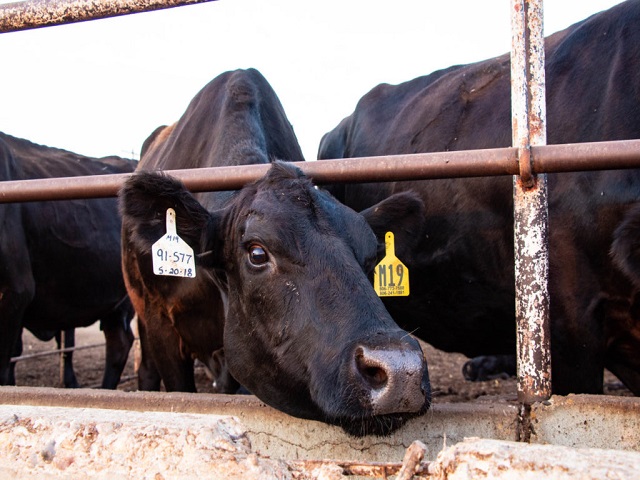
USDA has announced updates to two popular livestock insurance policies in an effort to improve options and create additional opportunities for producers to participate.
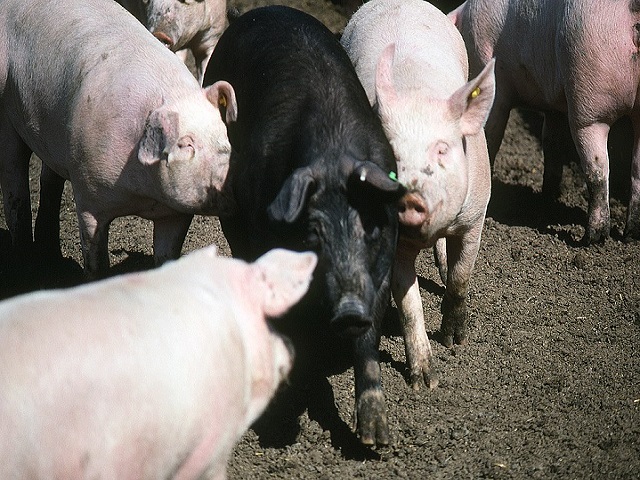
For the week ending April 22, 2021, U.S. pork exports hit a new marketing year high and sales for corn, sorghum, and soybeans were higher than the previous week according to the latest USDA Weekly Export Sales Report.
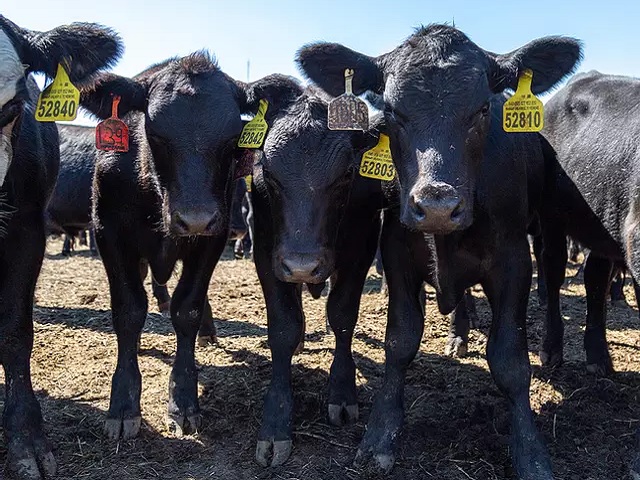
In a sign of what seems to be coming for the livestock industry, Tyson Foods last week joined U.S. CattleTrace. The program launched three years ago to assist animal health officials with a quick and effective means to respond to any foreign disease outbreak in the beef industry.
USDA released their monthly Cattle on Feed Report for April 1, and for one brokerage firm, there were no surprises.

Dry periods between rainstorms have become longer and annual rainfall has become more erratic across most of the western United States during the past 50 years.
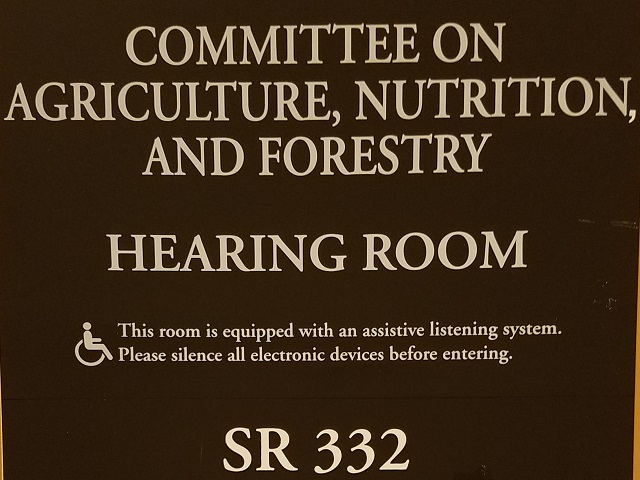
The Senate Agriculture Committee has reintroduced a bipartisan bill aimed at breaking down barriers for farmers and foresters interested in participating in carbon markets for climate-smart practices.
Agriculture Secretary Tom Vilsack announced Wednesday that USDA will open enrollment in the Conservation Reserve Program with higher payment rates, new incentives, and a more targeted focus on the program’s role in climate change mitigation.

In 2020, U.S. agricultural exports to China totaled $26.4 billion, a $12.6 billion increase from 2019 and representing the largest market for American farmers and ranchers.
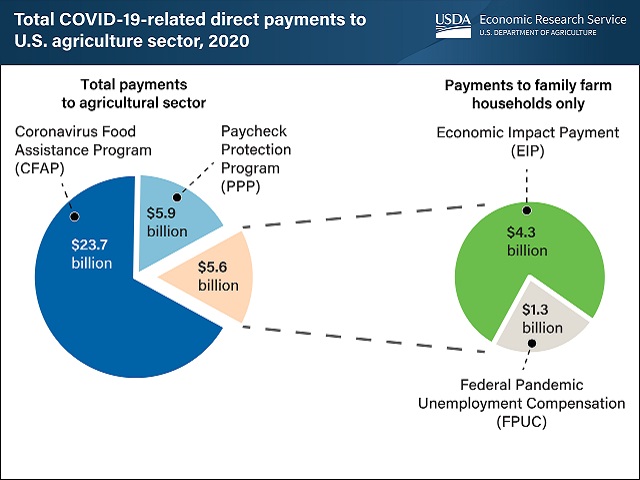
USDA is implementing updates to the Coronavirus Food Assistance Program for farmers and ranchers who faced market disruptions in 2020 due to COVID-19.

As many farm and commodity organizations draw attention to the potential disasters of the Federal estate tax, the Economic Research Service is asking how it will affect farmers and ranchers.
Copyright © 2026 | WordPress Theme by TodayTrader