
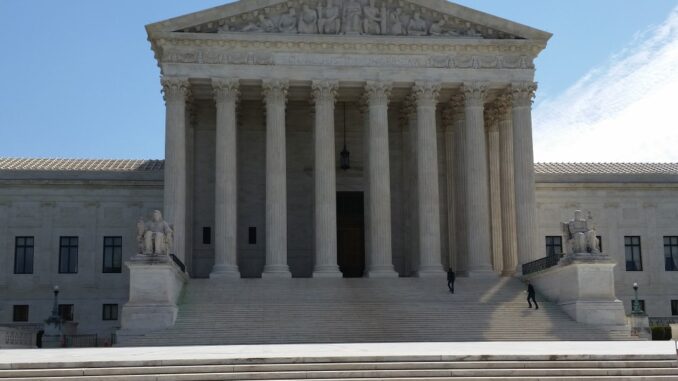
NASHVILLE, TN – A major court decision over presidential tariff authority is raising questions about future trade policy and its impact on agriculture.
National Ag Law Center Staff Attorney Will Scobey explains that the Supreme Court ruled the International Emergency Economic Powers Act (IEEPA) did not give the president authority to impose tariffs. The 1977 law allows emergency action in response to national security threats, but the Court determined that tariff authority must be clearly granted by Congress.
The decision removed tariffs placed on Mexico, Canada, and China under IEEPA authority. Those countries remain critical markets for U.S. agriculture, including grains, livestock products, and other farm goods.
Importers are now watching potential refund processes for duties already collected. At the same time, future tariff actions remain possible under different trade laws, creating continued uncertainty for businesses.
For agriculture, tariff policy affects more than exports. Producers also watch potential impacts on fertilizer, machinery, energy, supply chains, and retaliatory actions from trading partners.
Farm-Level Takeaway: Trade stability remains important as producers manage export demand, input costs, and uncertainty surrounding future tariff policies.