
WASHINGTON, DC – Tight supplies of Renewable Identification Number credits could keep biomass-based diesel incentives elevated into 2027, potentially supporting demand for renewable diesel and the agricultural feedstocks used to produce it. The outlook comes from Valero Energy, according to reporting by Bryan Sims for OPIS, a Dow Jones company.
Valero expects the existing RIN credit bank could be depleted between late 2026 and mid-2027 as biomass-based diesel production falls short of federal compliance obligations. The company believes that could keep D4 credit values elevated.
Imports may not fill the gap as quickly as in previous years. The former blender tax credit has expired, while the Section 45Z Clean Fuel Production Credit favors domestically produced fuels. Some foreign suppliers also face registration and tariff hurdles.
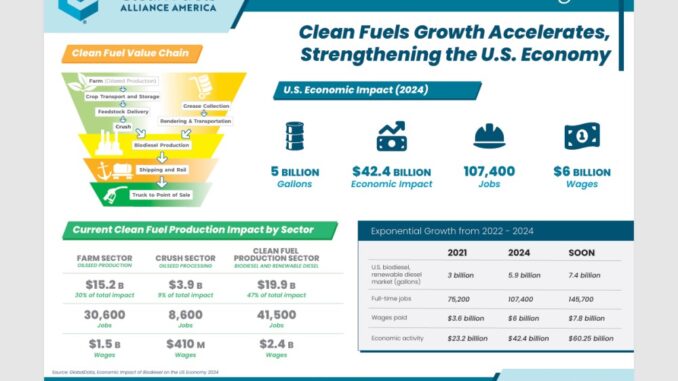
For agriculture, stronger economics for renewable diesel could support demand for eligible domestic feedstocks, including soybean oil and other fats and oils.
Valero also reported sharply improved earnings from renewable diesel during the second quarter, reinforcing the favorable economics of the sector.
Farm-Level Takeaway: Tight RIN supplies could strengthen renewable diesel incentives and support demand for domestic agricultural feedstocks.