
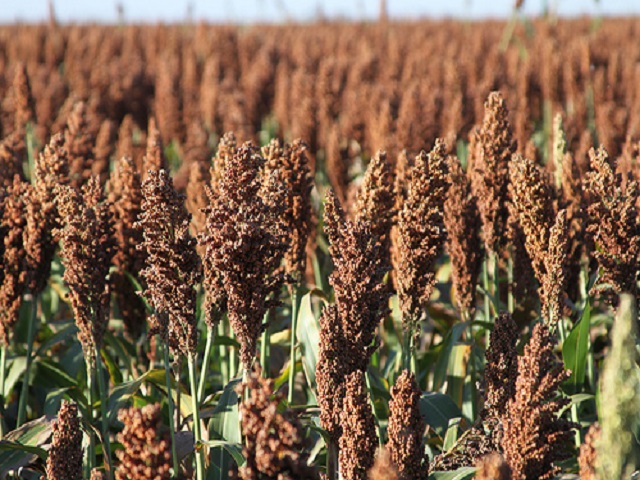
LUBBOCK, TX – Sorghum producers now have a futures contract designed specifically to manage the price relationship between sorghum and corn. Texas A&M AgriLife Extension economist Yuri Calil says CME Group listed the new MILO contract on August 24, giving growers a tool for a risk that corn futures cannot directly cover.
Sorghum prices generally follow corn, but the spread between them can swing sharply. Since 1989, sorghum has traded at a $1.72 discount to a $1.47 premium relative to corn.
Corn futures can still help manage broader grain price risk. The new contract instead prices the sorghum-corn differential, allowing producers to hedge against sorghum weakening relative to corn.
Export demand is a major influence on that spread. USDA projects that exports will account for about 55% of combined domestic use and exports in 2026/2027, underscoring the importance of foreign demand to sorghum pricing.
Calil cautions that liquidity and location will determine the contract’s usefulness. Delivery points are in Kansas, while many Southern Plains growers price grain against Gulf markets.
Farm-Level Takeaway: The new MILO contract gives sorghum producers a direct tool to manage price-spread risk, but liquidity and regional basis differences remain important.