

Agribusiness Report Podcast: Dr. Gaylon Morgan
AGRIBUSINESS REPORT PODCAST – Guest: Dr. Gaylon Morgan is Director of Ag and Environmental Research […]
AGRIBUSINESS REPORT PODCAST – Guest: Dr. Gaylon Morgan is Director of Ag and Environmental Research […]

AGRIBUSINESS REPORT PODCAST – Guest: Shawn Wade is with Plains Cotton Growers in Lubbock, TX […]

AGRIBUSINESS REPORT PODCAST – Guest: Mark Brown is Director of Field Services with Plains Cotton […]

AGRIBUSINESS REPORT PODCAST – Guest: Donna Hughes is Senior Risk Management Consultant with Stone X […]

AGRIBUSINESS REPORT PODCAST – Guest: Kody Bessent is CEO of Plains Cotton Growers (PCG) in […]

AGRIBUSINESS REPORT PODCAST – Guest: Kevin Brinkley is President and CEO of Plains Cotton Cooperative […]

AGRIBUSINESS REPORT PODCAST – Guest: Dr. Gary Adams is President and CEO of the National […]

AGRIBUSINESS REPORT PODCAST – Guest: Kara Bishop is Director of Communications and Public Affairs for […]

AGRIBUSINESS REPORT PODCAST – Guest: Bill Gillon is President and CEO of the Cotton Board […]

AGRIBUSINESS REPORT PODCAST – Guest: Dahlen Hancock is a cotton producer from Lubbock County, TX, […]
AGRIBUSINESS REPORT PODCAST – Guest: Mark Brown is with Plains Cotton Growers in Lubbock, TX, […]

AGRIBUSINESS REPORT PODCAST – Guest: Jen Lukowiac is with Cotton Incorporated and was featured in […]

AGRIBUSINESS REPORT PODCAST – Guest: Sam Sparks is a diversified producer from Mercedes, TX, and […]

AGRIBUSINESS REPORT PODCAST – Guest: Dr. Gaylon Morgan is a director of agricultural research with […]

AGRIBUSINESS REPORT PODCAST – Guest: Greg McBride is a broker with Allendale and talks about […]
AGRIBUSINESS REPORT PODCAST – Guest: Shawn Wade is with Plains Cotton Growers (PCG) in Lubbock, […]

AGRIBUSINESS REPORT PODCAST – Guest: Jon Devine is Senior Economist with Cotton Inc., in Cary, […]

AGRIBUSINESS REPORT PODCAST – Guest: Dr. John Robinson is the Texas A&M AgriLife Extension Cotton […]
AGRIBUSINESS REPORT PODCAST – Guest: Jon Devine is Senior Economist with Cotton Incorporated and talks […]
AGRIBUSINESS REPORT PODCAST – Guest: Mark Brown is Director of Field Services with Plains Cotton […]

WASHINGTON, DC – Global demand for U.S. commodities hit a record in 2021 and according […]
AGRIBUSINESS REPORT PODCAST – Guest: Shawn Wade is with Plains Cotton Growers (PCG) in Lubbock, […]
AGRIBUSINESS REPORT PODCAST – Guest: Kody Bessent is CEO of Plains Cotton Growers (PCG) in […]
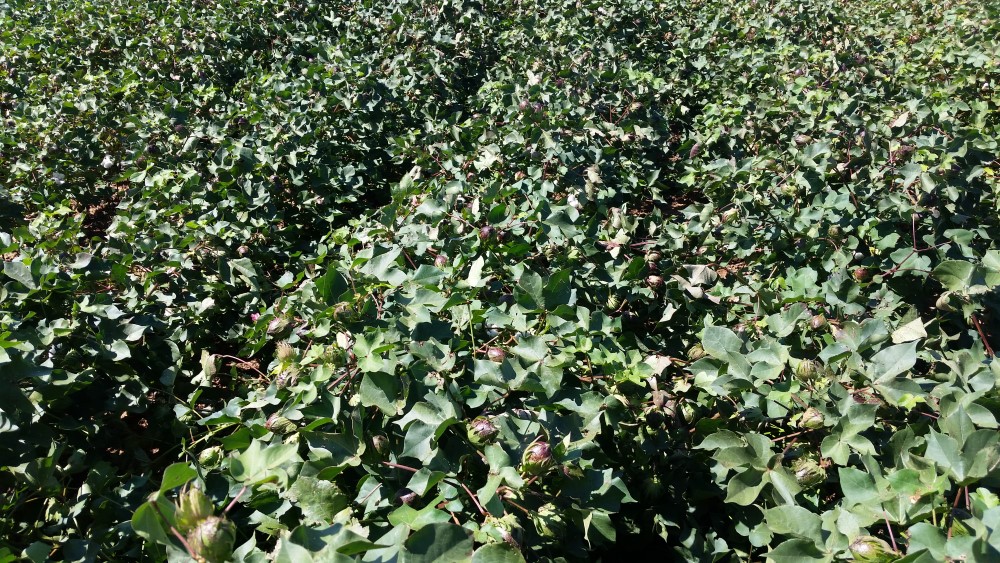
HOUSTON, TX – Higher prices for both old-crop cotton and new-crop (2022 season), has U.S. […]

AGRICULTURE TODAY PODCAST Top ag news What’s driving cotton prices higher? Ag Secretary Tom Vilsack […]
AGRIBUSINESS REPORT PODCAST – Guest: Dr. Darren Hudson is the Larry Combest Endowed Chair and […]
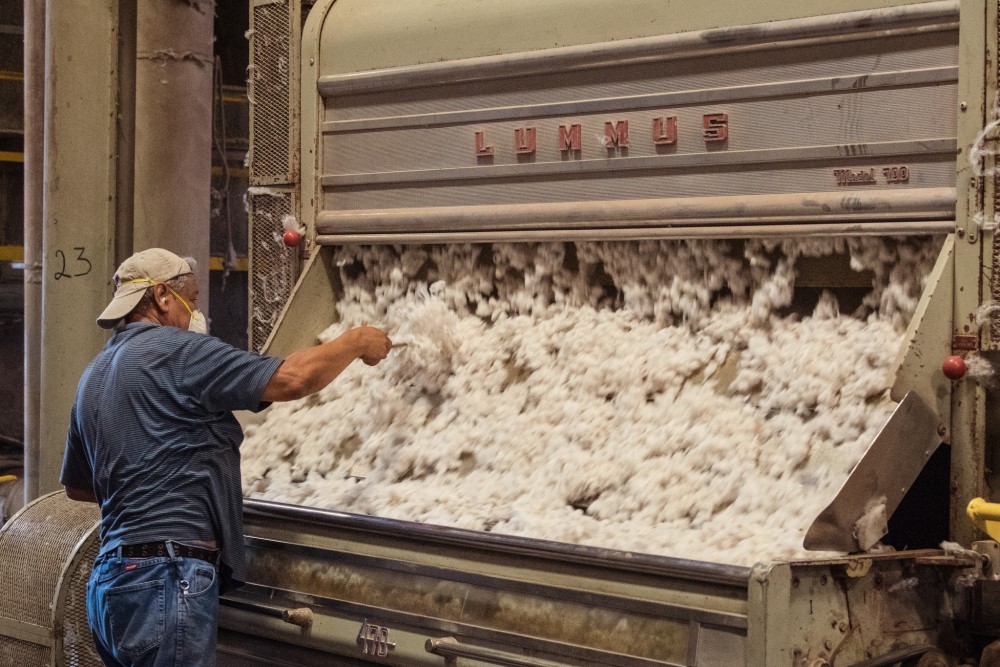
LUBBOCK, TX – Though the 2021 cotton crop has been harvested, the challenges are mounting […]
AGRICULTURE TODAY PODCAST Top ag news Packer concentration in the cattle market New standards for […]
The longest-running farm program in West Texas, the AgriBusiness Report is our daily interview program with decision-makers in the world of Agriculture. Today’s guest is West Texas Cotton Farmer Barry Evans talks Cotton Trust Protocols .
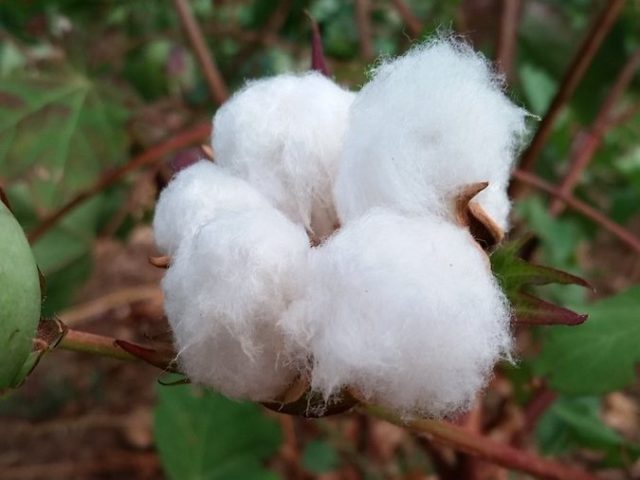
USDA released their latest Weekly Export Sales report for the week ending October 14, 2021. Exports for the week were generally lower except for corn, soybeans, cotton, and meats.
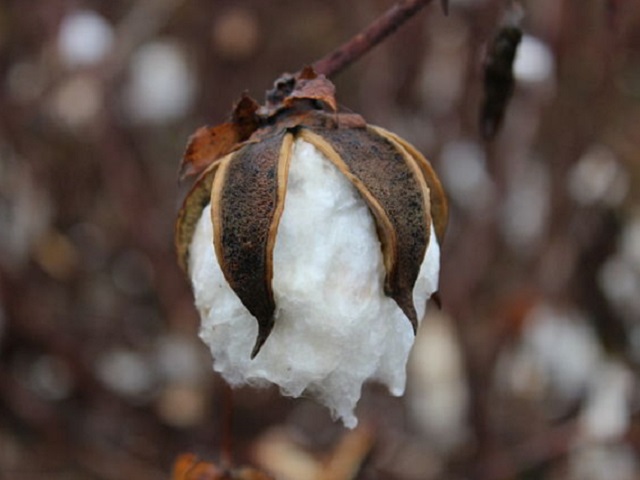
Although exports have been strong this marketing year, sales and exports for cotton are lower after futures prices in New York hit their highest level in 10 years.
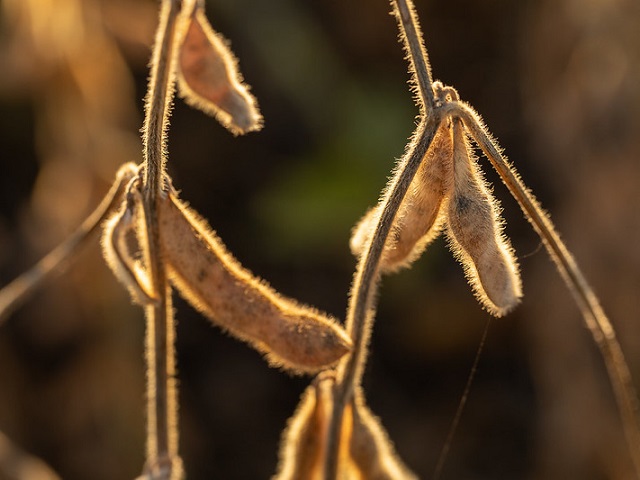
USDA’s National Agricultural Statistics Service released their October Crop Production Report on Tuesday, based on conditions as of October 1, 2021. Researchers believe the harvest for corn and soybeans will be greater than last year’s production, while the final U.S. cotton crop is expected to be smaller.
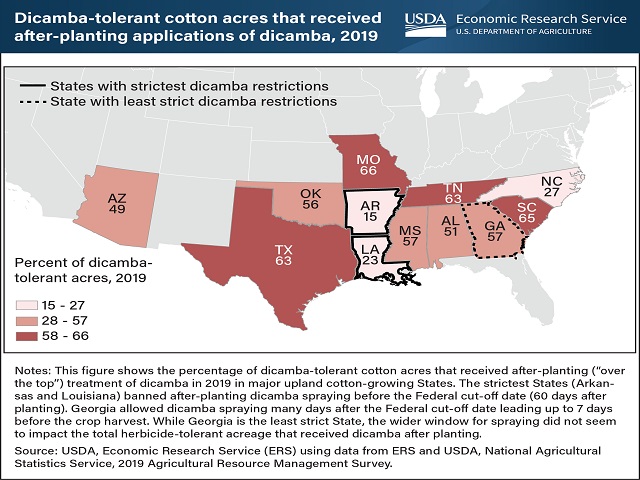
Spray drift issues led to lawsuits a few years ago, as some producers of dicamba-tolerant crops were sued by other producers because of damage to their crops.
For the first time in ten years, U.S. cotton futures soared past the $1 mark on Tuesday, in part due to good export demand, especially from China.

It was a common sight to see cell phones being held up in the air when Billy Dunavant, Jr. from Memphis-based Dunavant Enterprises stood up to speak.
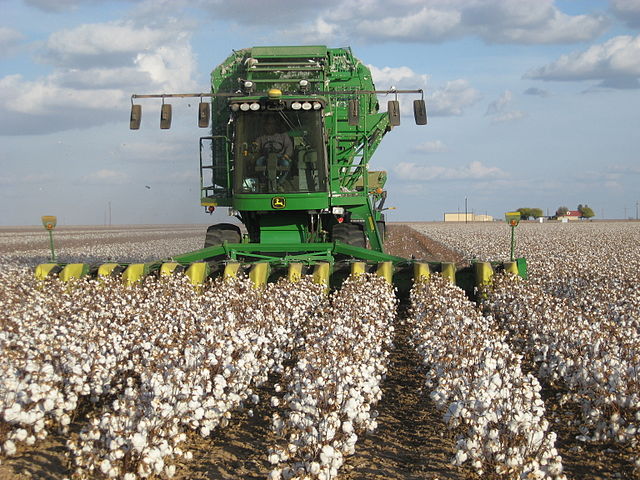
USDA released their latest World Agricultural Supply and Demand Estimates report on Thursday with an expectation for higher prices for wheat and corn, no changes for soybeans , but the highest price for cotton in almost 10 years.
It was a good week for international demand for U.S. wheat and soybeans, through increased sales, and for exports of wheat and cotton according to USDA’s Weekly Export Sales Report for the week ending July 15.
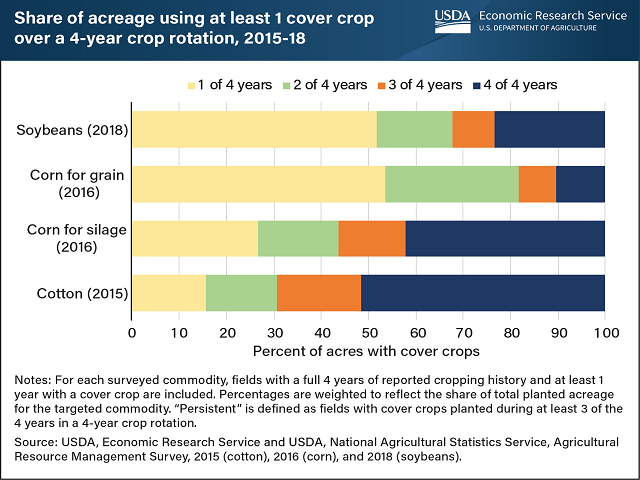
According to the Economic Research Service, consistent adoption of cover crops can increase the accumulation of organic soil matter, thus healthier soils.
For wheat, Net sales were down noticeably from the previous week, but up 55 percent from the prior 4-week average on increases primarily for Mexico, Taiwan, and Japan.
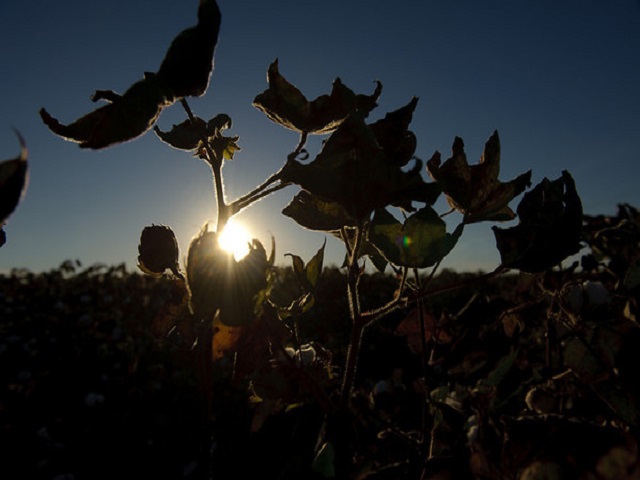
USDA released their latest Weekly Export Sales Report on Thursday, for the week ending April 1, 2021. Other than cotton, all commodities experienced lower sales, including marketing year lows for wheat and soybeans.
Mexico’s cotton production is forecast to increase 22 percent for this marketing year on increased global prices and ongoing drought conditions favoring cotton production over other more water-reliant crops.
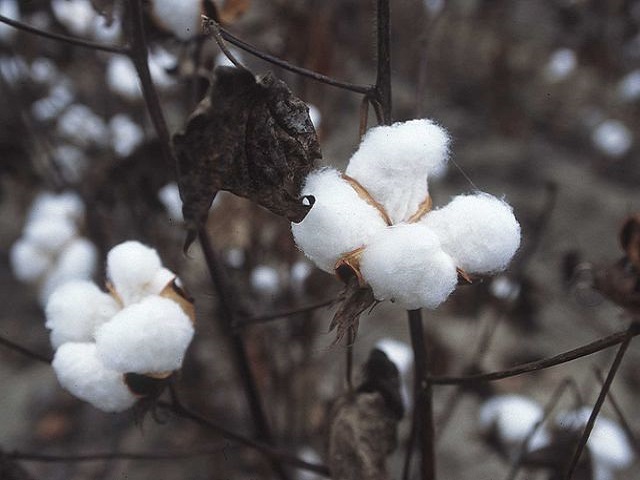
As the Mexican government tightens regulations on their domestic commercial farming operations, it’s beginning to hit the cotton industry south of the border.
According to their Annual Planting Intentions survey, the National Cotton Council is projecting a decrease of more than 5 percent in domestic cotton acreage for 2021.
With other crop alternatives holding better odds for profitability, the National Cotton Council believes cotton acreage in the United States will fall 5.2 percent this year.
The council is set to release results of their annual Planting Intentions Survey Thursday.

Last week, the U.S. government announced it would seize all cotton products and tomato products produced in China’s Xinjiang Uyghur Autonomous Region.
USDA’s Animal and Plant Health Inspection Service announcing the deregulation of a cotton variety that uses genetic engineering for resistance to certain insects, primarily tarnished plant bugs.

Last week was an active one for export sellers as all major commodities, except wheat, experienced an uptick from foreign buyers.
In what was the equivalent of a data dump of crop information on Tuesday, USDA rounded out their reports with an annual crop production summary for 2020.
According to the Foreign Ag Service, U.S. wheat sales were up 38 percent from the previous week (616,500 metric tons) on purchase from Mexico, Japan, and Thailand.
Copyright © 2026 | WordPress Theme by TodayTrader