
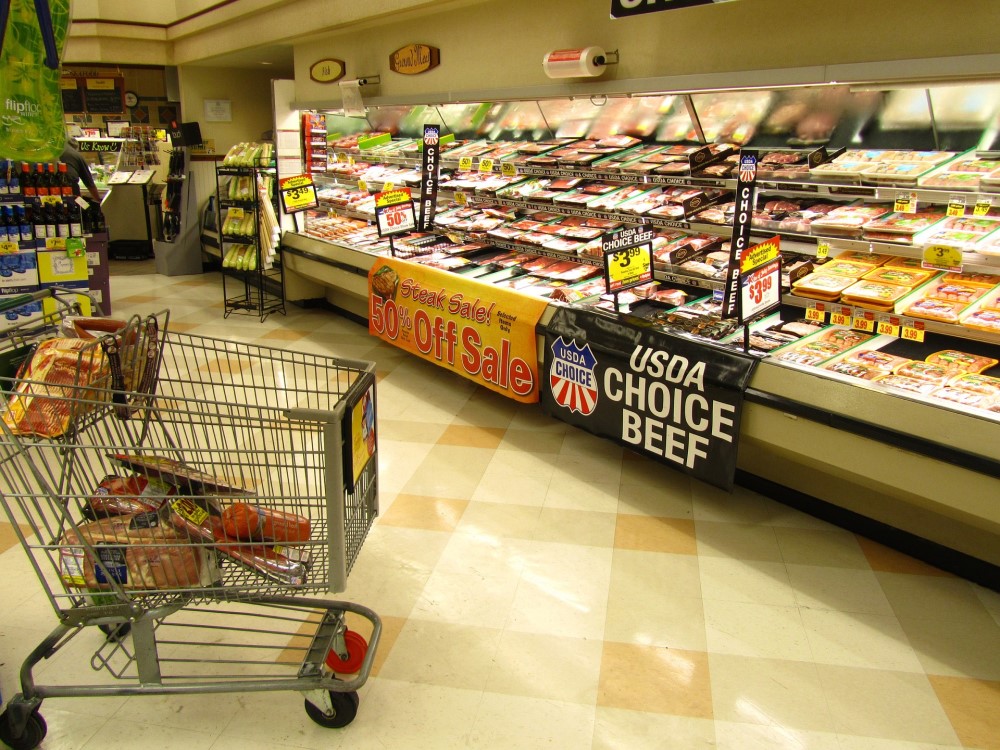
LUBBOCK, TX – Grocery prices remain elevated even as many farm commodity prices have weakened, a disconnect Meridian Ag Advisors says highlights how little of the retail food dollar is determined by farm-level prices alone.
Meridian identifies the gap between grocery prices and farm prices as one of ten major mysteries in the current farm economy. The firm says lower commodity values do not necessarily translate quickly into lower prices for consumers.
Food prices also reflect processing, labor, transportation, packaging, energy, marketing and retail costs after commodities leave the farm. Those expenses can remain high even when producers receive less for crops or livestock.
For farmers, the gap can be especially frustrating because consumers may see expensive food while producers face weaker margins. Lower farm prices can reduce revenue without producing an immediate or equal decline at the grocery store.
Meridian says the divergence is another reason to separate farm commodity markets from retail food inflation. Future changes will depend on both agricultural prices and the wider costs of processing and moving food to consumers.
Farm-Level Takeaway: Falling farm commodity prices do not guarantee lower grocery bills when processing, labor, transportation and retail costs remain high.